
Research
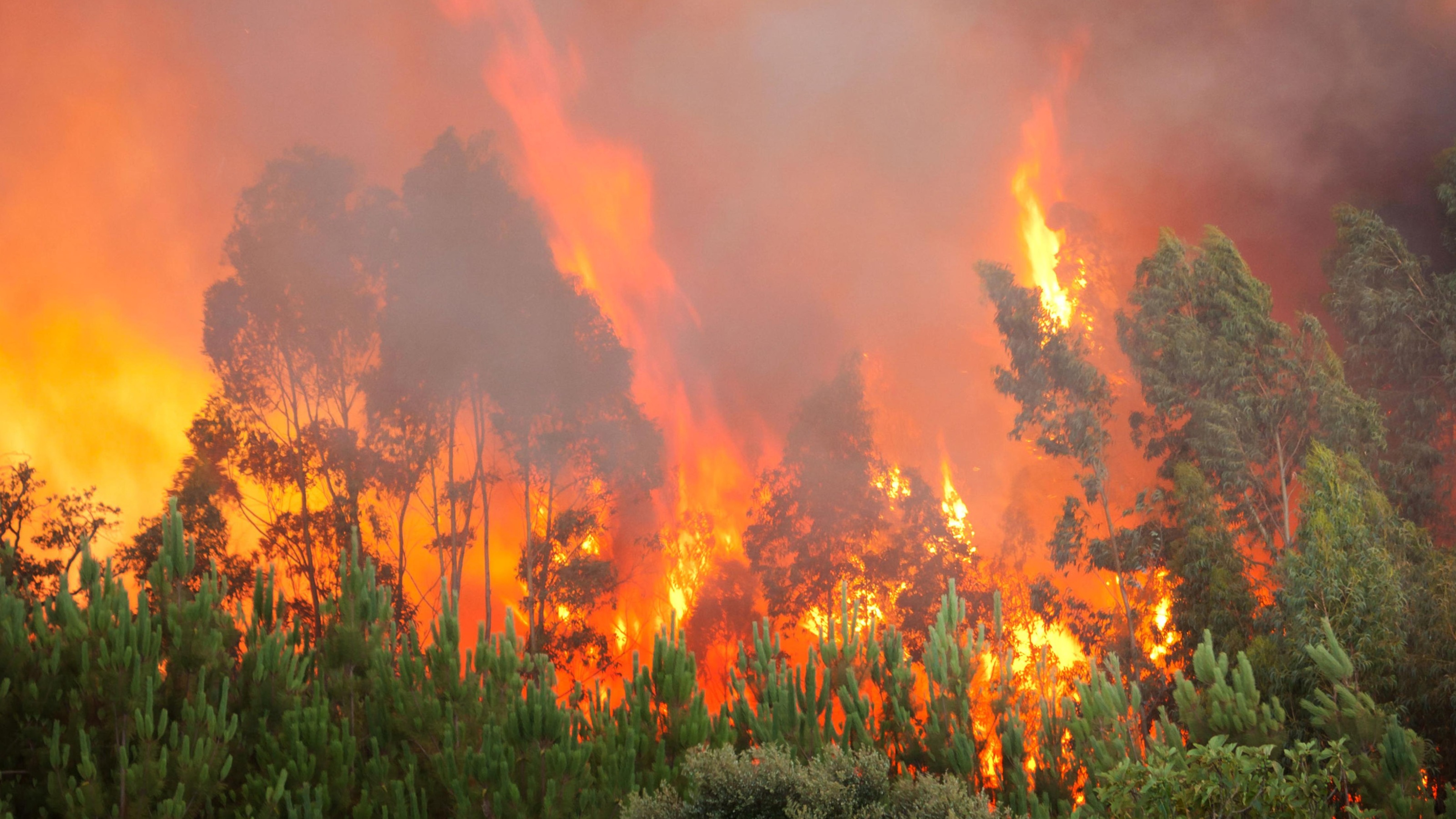
What makes a disaster?
The seriousness of a disaster depends on the combination of hazard, exposure, and vulnerability. A hazard might be a tropical cyclone. Exposure describes the people, assets, and ecosystems that are present when and where the cyclone occurs. And vulnerability reflects the ability of the cyclone to harm or damage whatever was exposed to it. For example, a cyclone becomes a disaster when it hits land if, and only if, there is infrastructure there that can be damaged by its force. The same is true for other hazards, like earthuquakes, drought, or epidemics.
What we research
Our research group studies the economic impact of disasters both in New Zealand and overseas. Some of the main areas of research focus include:
- measuring the short- and long-term impacts of disasters on communities and economies
- devising new tools for measuring the cost of disasters
- quantifying post-disaster emergency aid and fiscal needs
- developing risk transfer tools, and
- investigating and projecting shocks to different sectors of the economy, such as insurance, property, health, education, or agriculture.
Who we work with
The team's research is often multi-disciplinary and performed in collaboration with academics and practitioners in such fields as planning, geography, hydrology, and atmospheric physics. We work closely with other research initiatives in New Zealand, including:
- QuakeCoRE
- Resilience to Nature’s Challenges
- Deep South National Science Challenge
- New Zealand Climate Change Research Institute
- Whakahura - extreme events and the emergence of climate change
Ilan is the founding editor of Economics of Disasters and Climate Change, a journal launched in 2017 and published by Springer Nature.
Main research areas
-
Consequences of disasters
We study the effects of disasters over different time frames.
-
The cost of climate change
We partner with attribution scientists to study extreme event costs.
-
Measuring losses
We study new ways to measure losses.
-
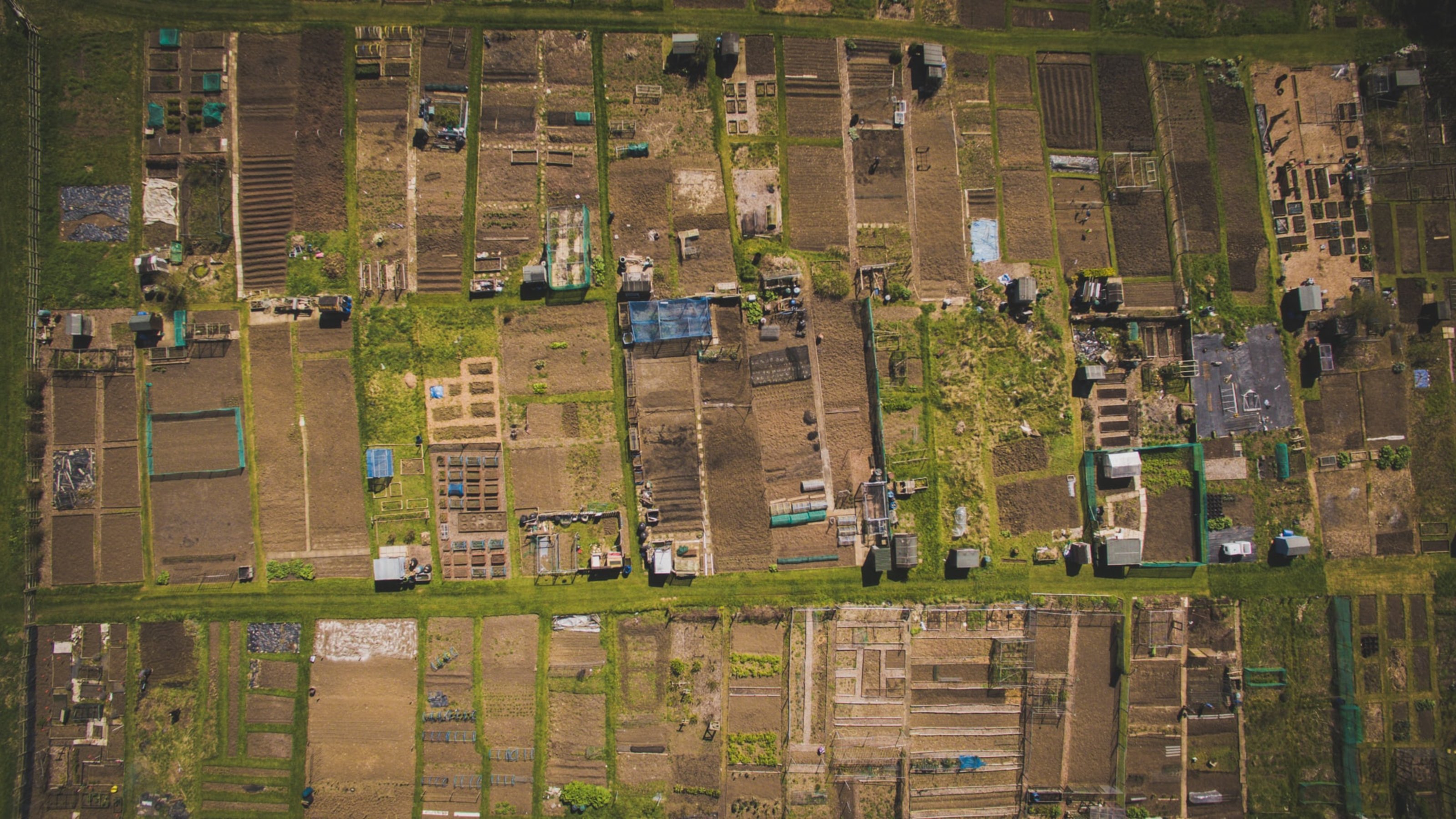
Specific sectoral impacts
How do disasters affect particular sectors of the economy, such as insurance, agriculture, or health?
-
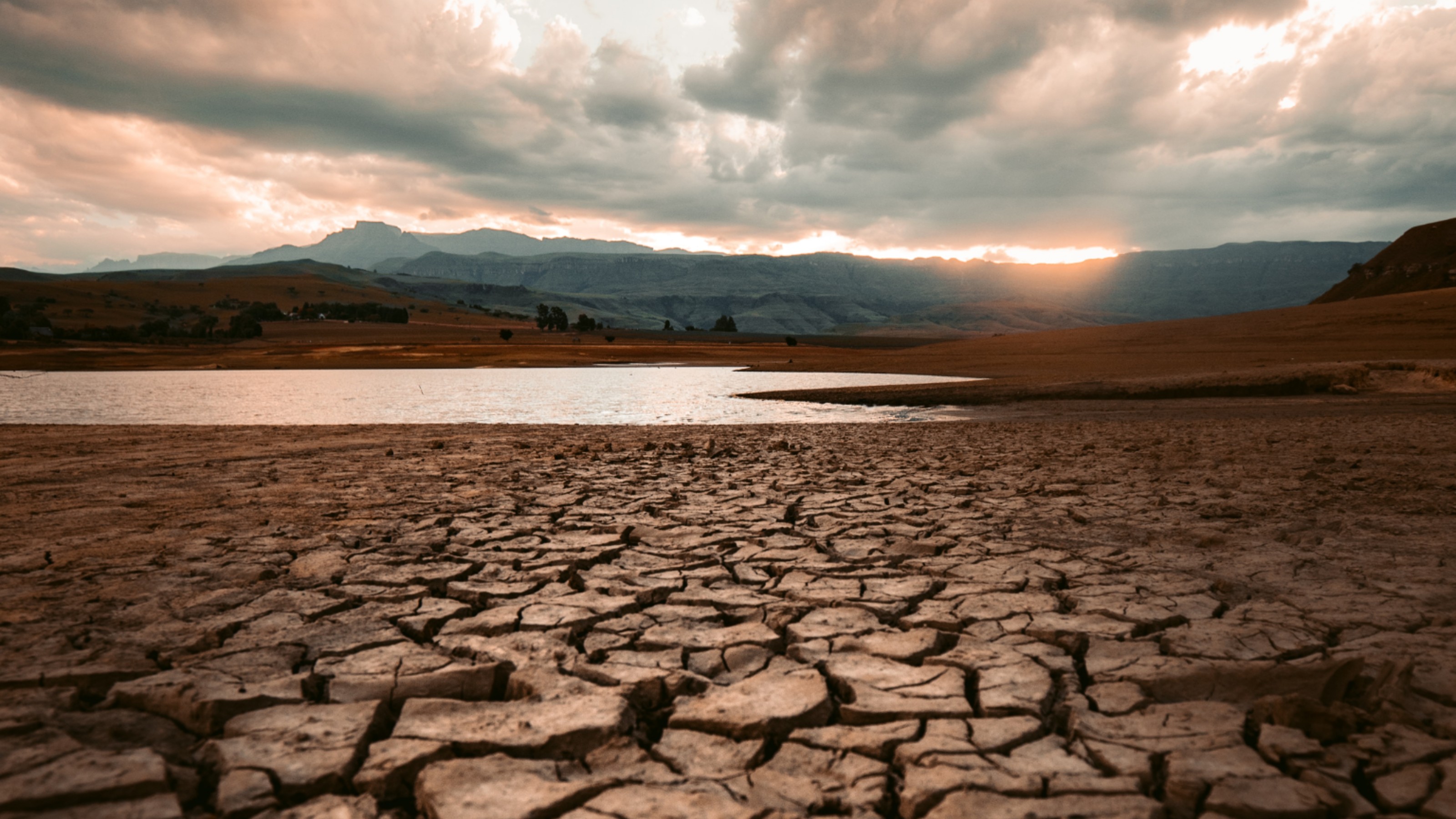
Case studies
Each disaster is different. What can we learn from studying the specifics of particular case studies?
-
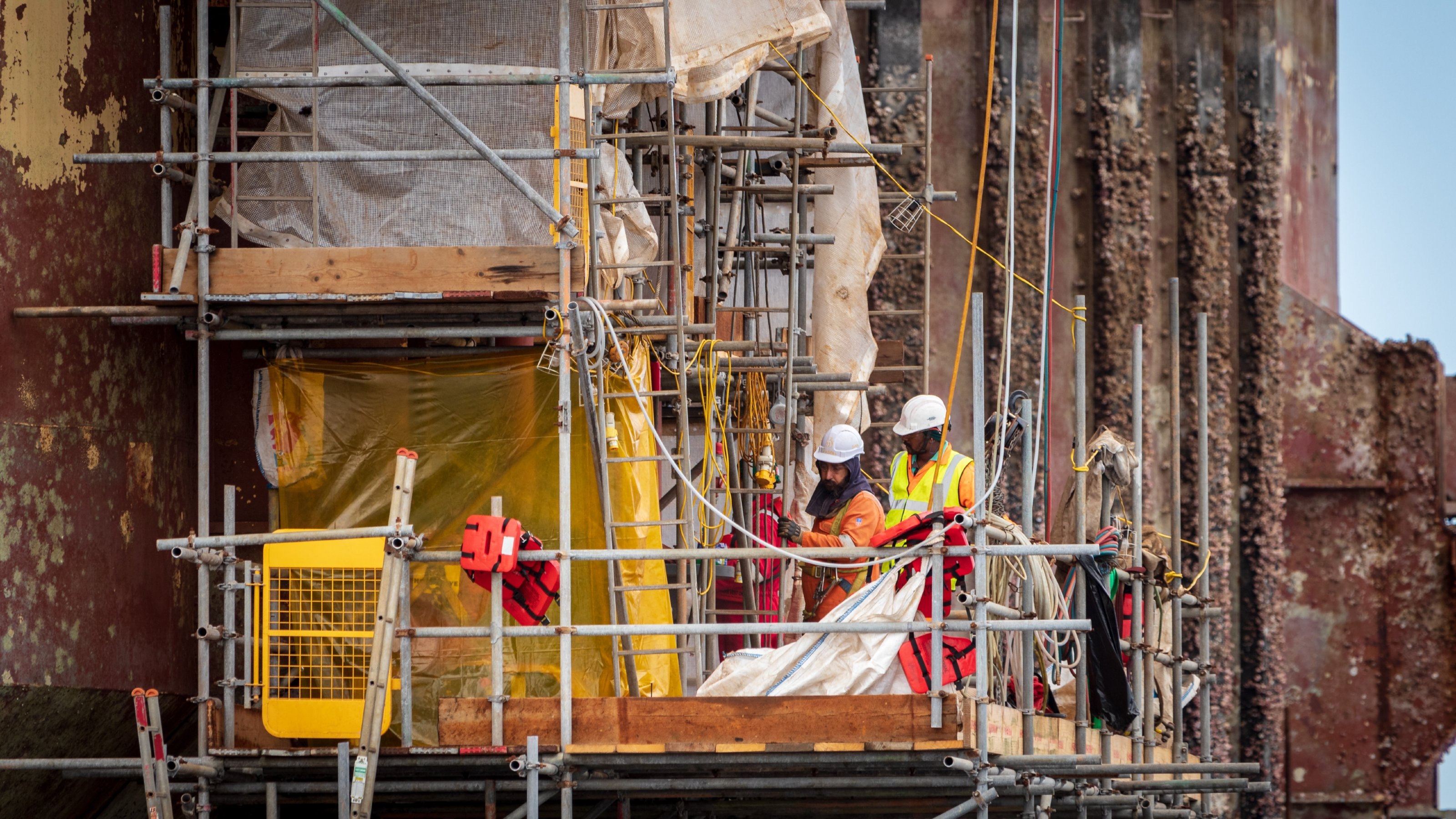
Risk reduction and mitigation
Disaster risk can be reduced or mitigated with policies and incentives. Our team has been examining several possibilities.
-
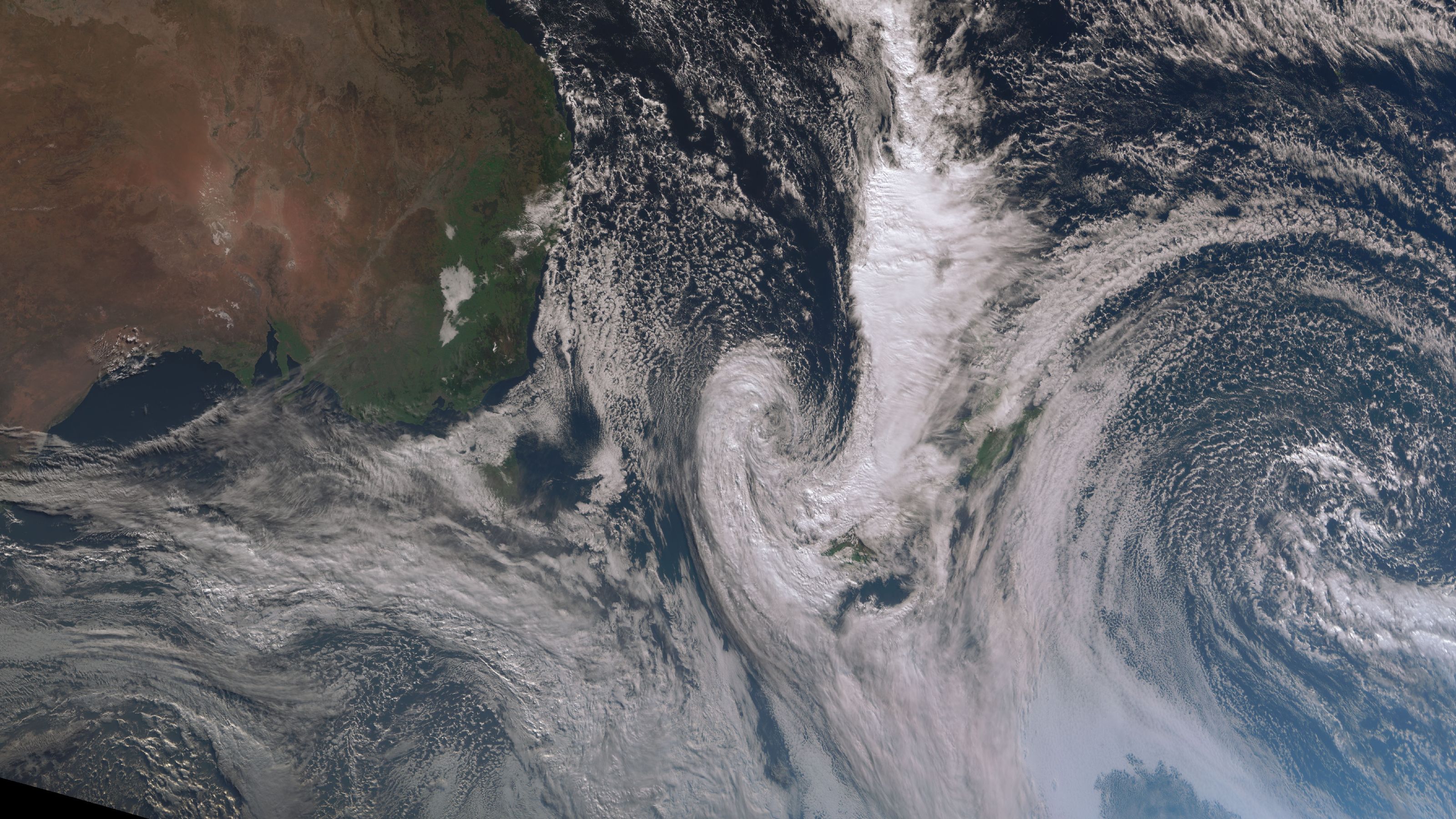
Whakahura—extreme events and the emergence of climate change
Whakahura was a five-year multidisciplinary programme funded by the Hīkina Whakatutuki Ministry of Business, Innovation, and Employment (MBIE).
Ilan's personal website includes more detail about his research.