
Material science
Excellent materials science both underpins our applied research programmes and explores new phenomena for future applications. Our diverse portfolio, ranging from magnetic skyrmions to zero-CO2 steel production methods, seeks to deliver a sustainable future for New Zealand.
-
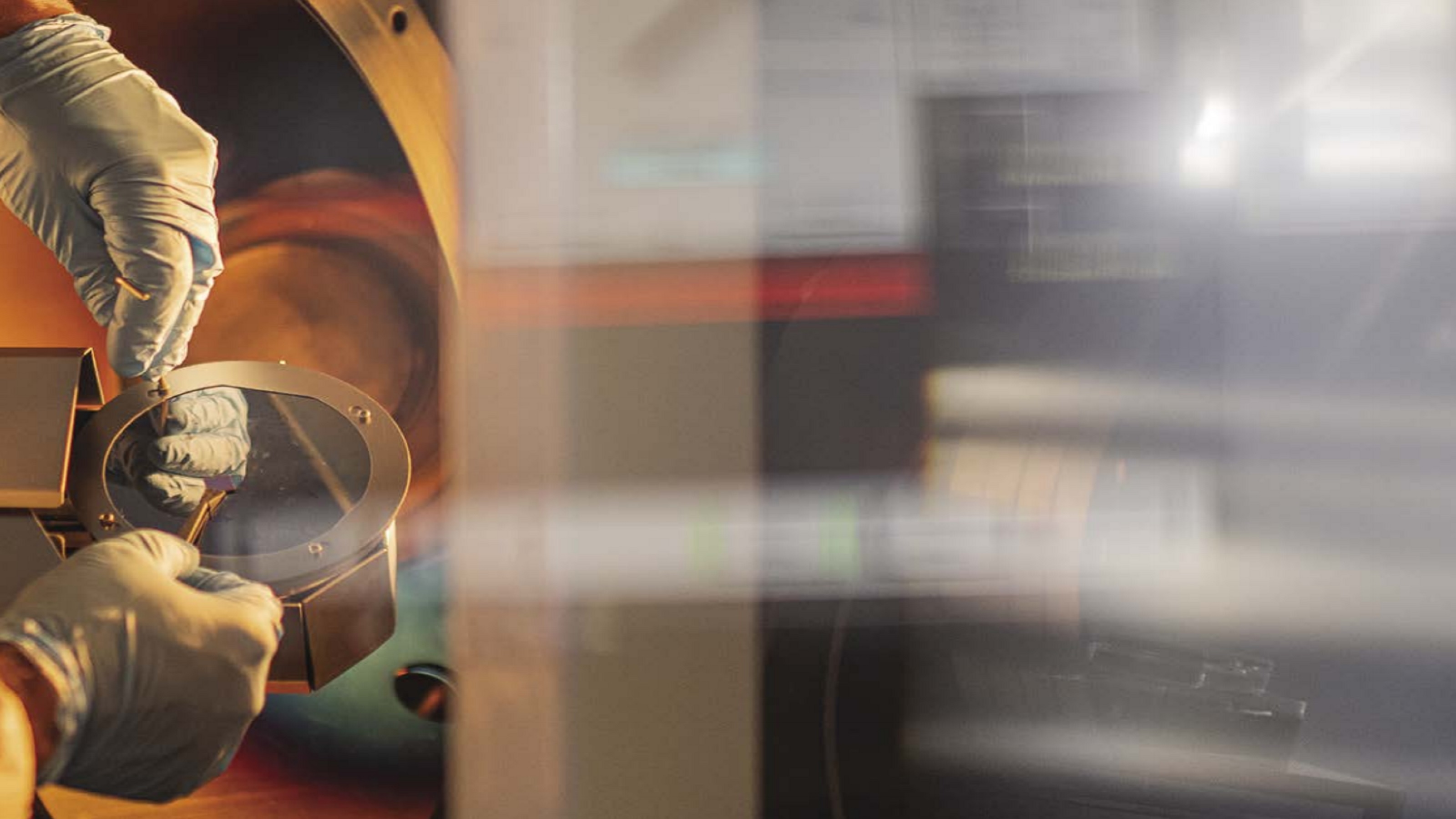
Room-temperature superconductors
Our research into the fundamental properties of superconducting materials could identify a new superconductor that carries current without extensive cooling.
-
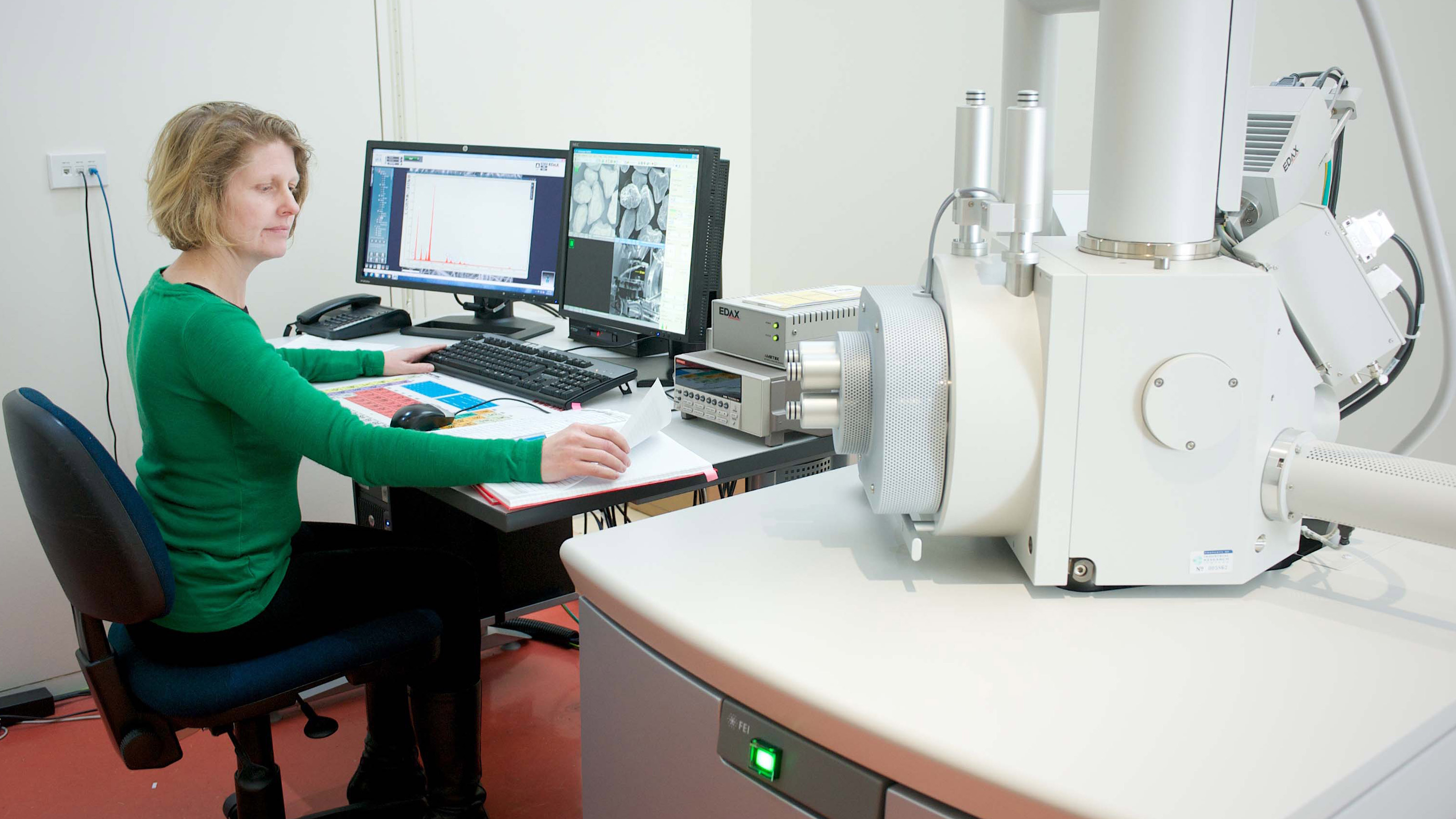
Electron microscopy
We use scanning electron microscopes to investigate the structure and composition of materials, supporting both academic research and commercial activities.
-
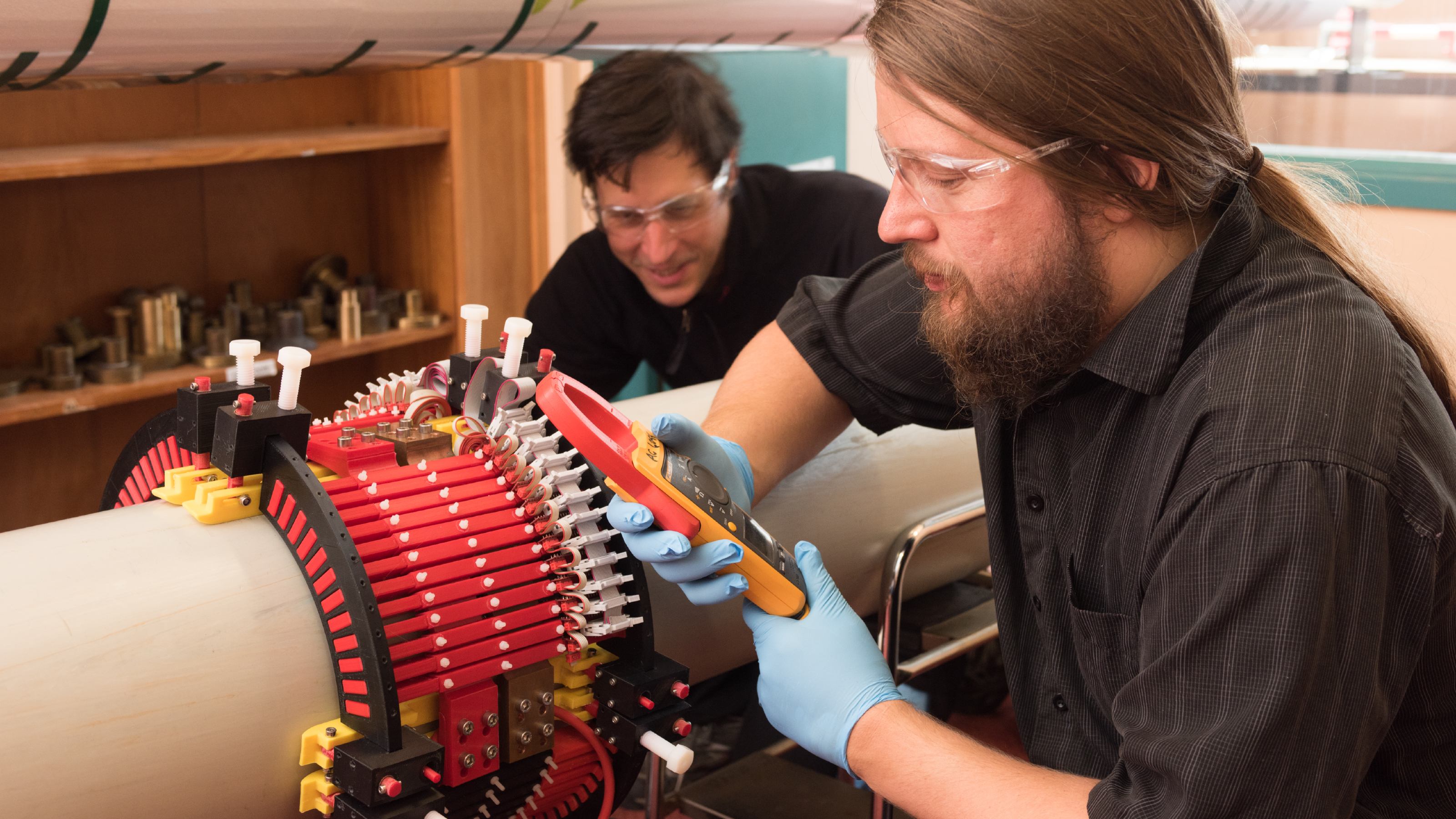
Magnetic fields for fault detection
We have developed magneto-resistive sensor testing and data analytics to monitor and detect faults in powerlines and inaccessible steel infrastructure.
-
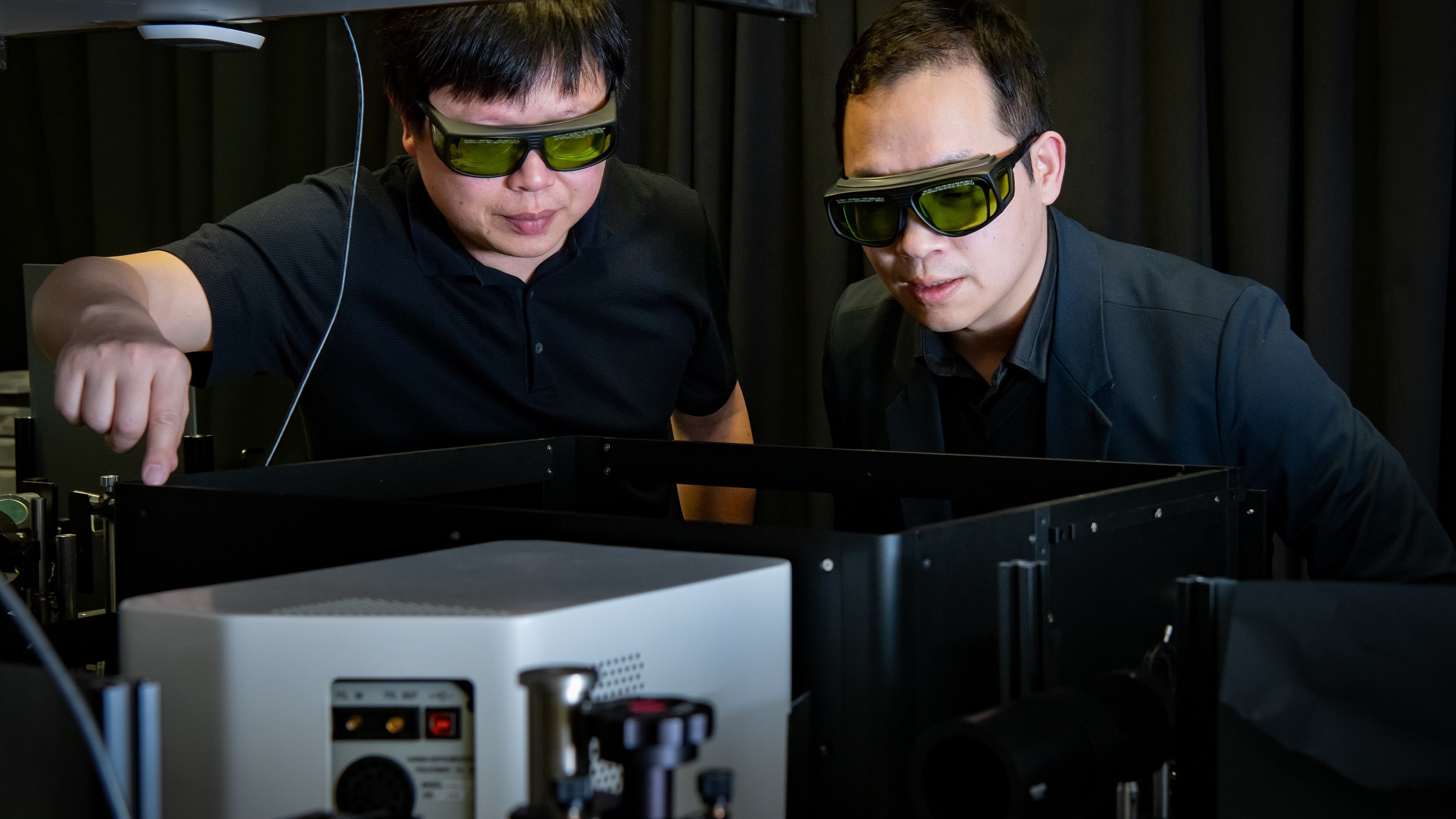
Spectroscopy
We design and use state-of-the-art ultrafast laser technology for fundamental research and advanced material characterisation.
-
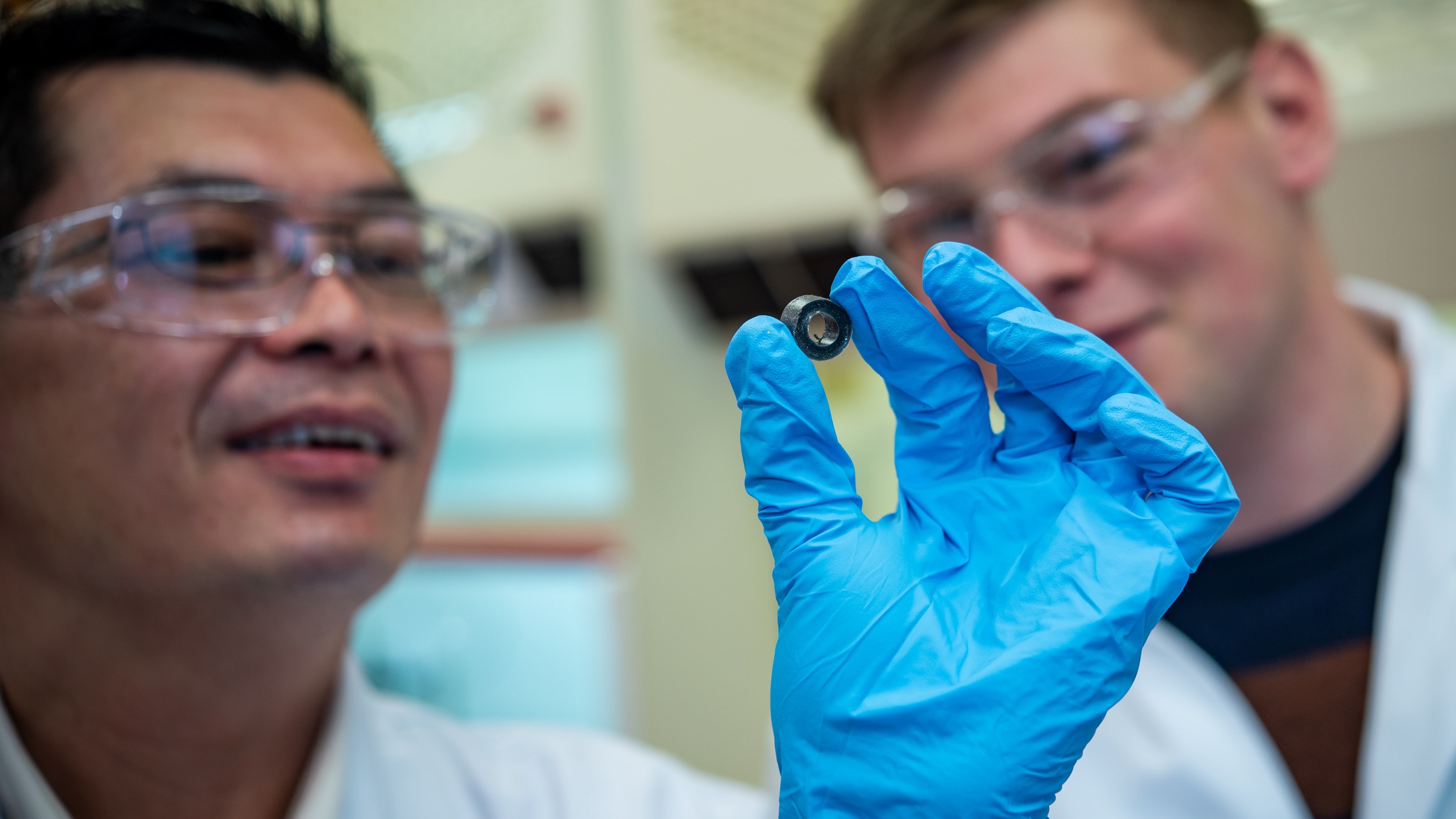
Magnetic composites
We're developing durable magnetic compounds to enable on-road charging of electric vehicles and other applications of inductive power transfer technology.
-
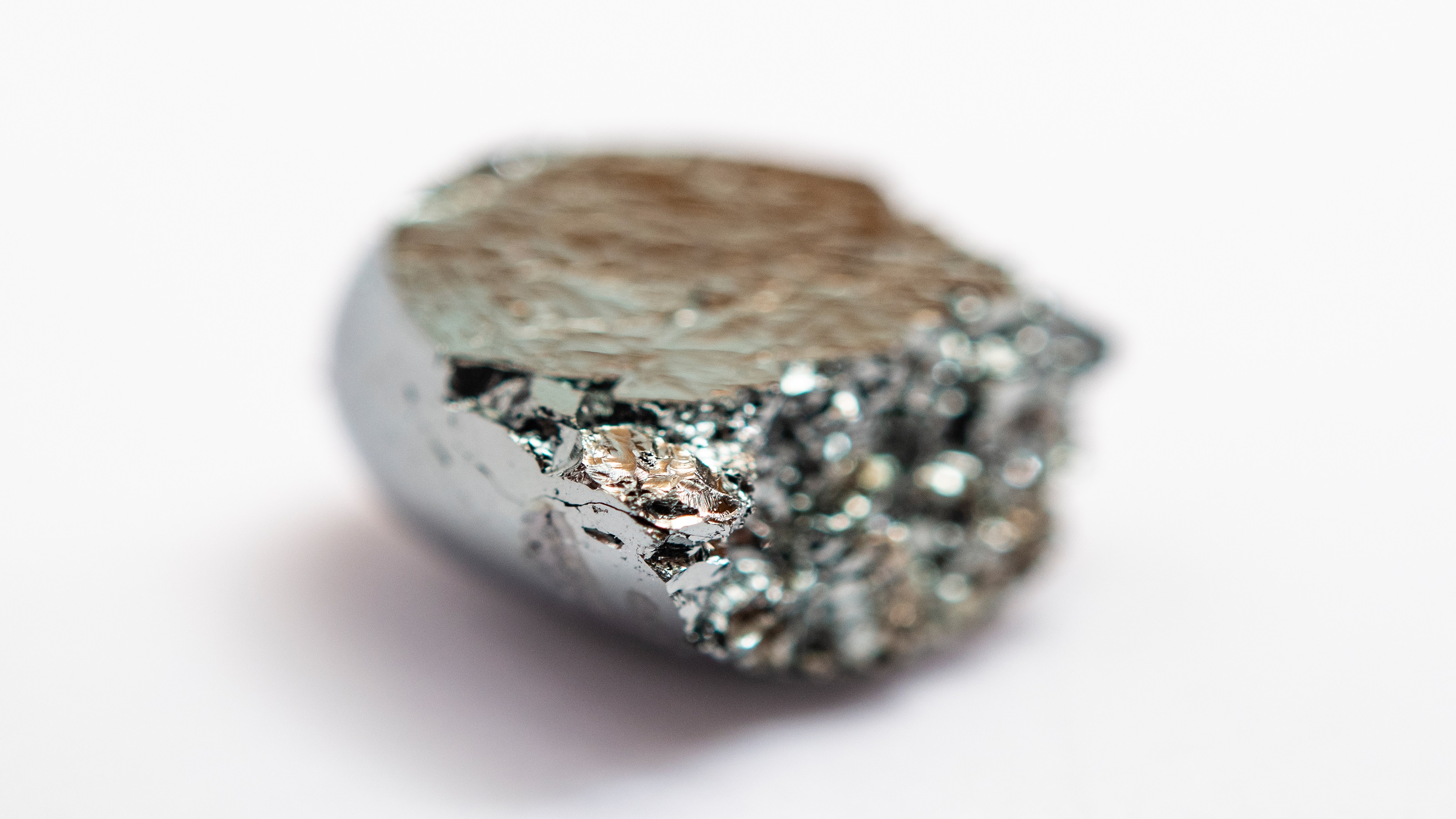
Growing single crystals
Our expertise in producing quality samples of single crystals to probe the intrinsic properties of materials is available to research and commercial partners.
-
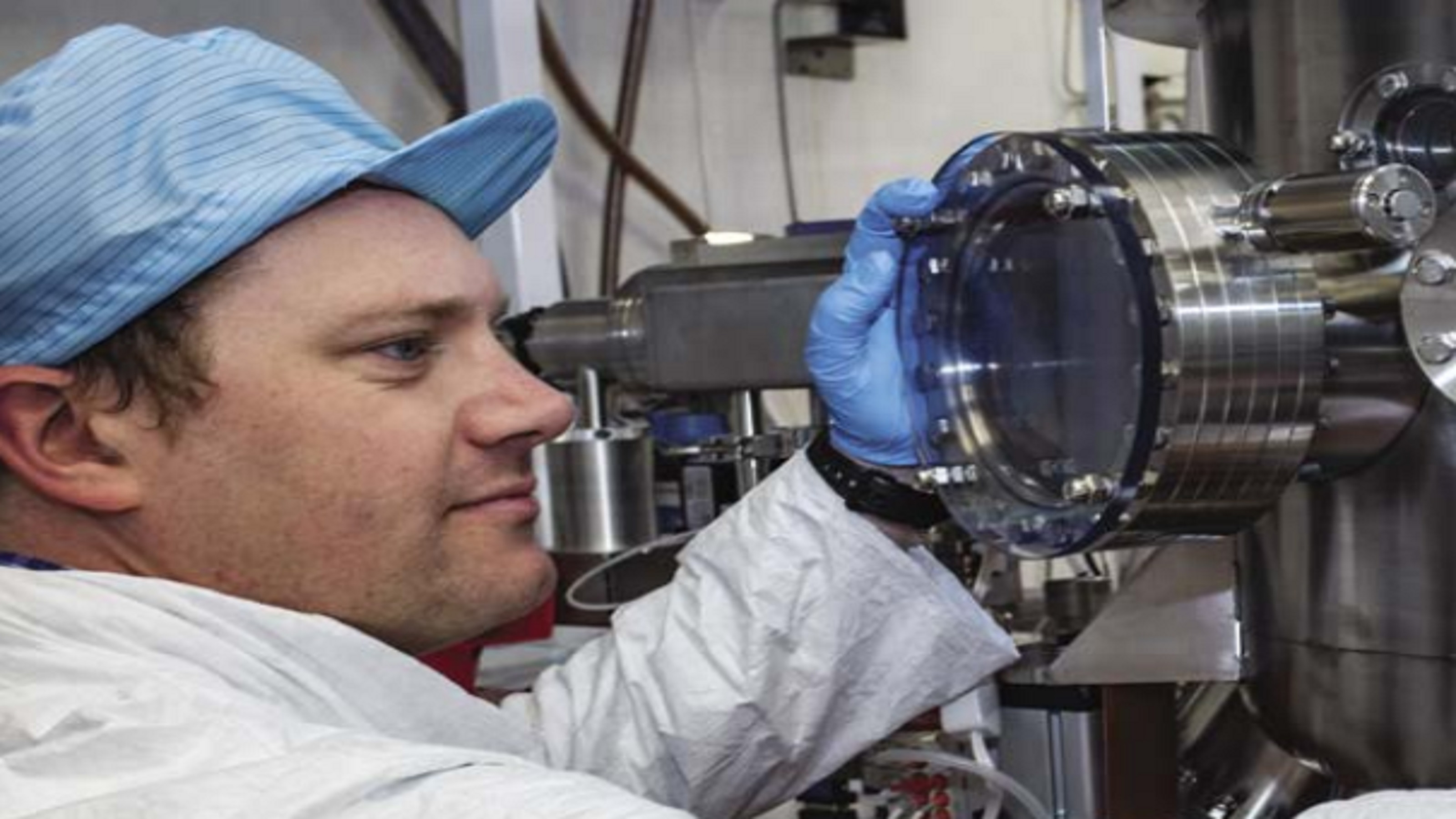
Spintronic devices
We're studying the basic physics of new magnetic materials to help develop new spintronics devices that make computing more powerful and energy efficient.
-
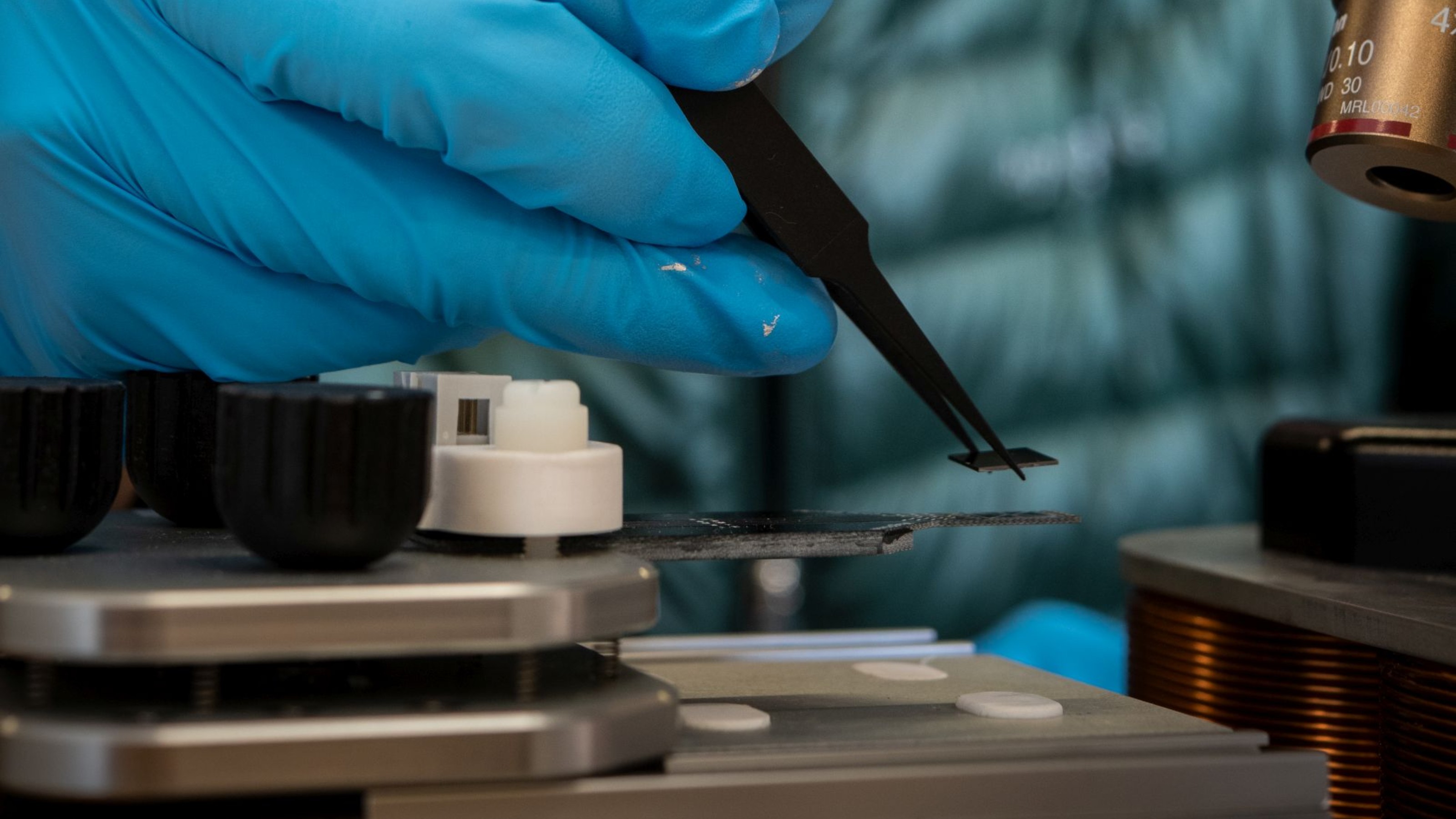
Tailor made magnetic sensors
We use our thin-film capability to make bespoke magnetic sensors for niche applications where existing commercial sensors are not sufficient.
-
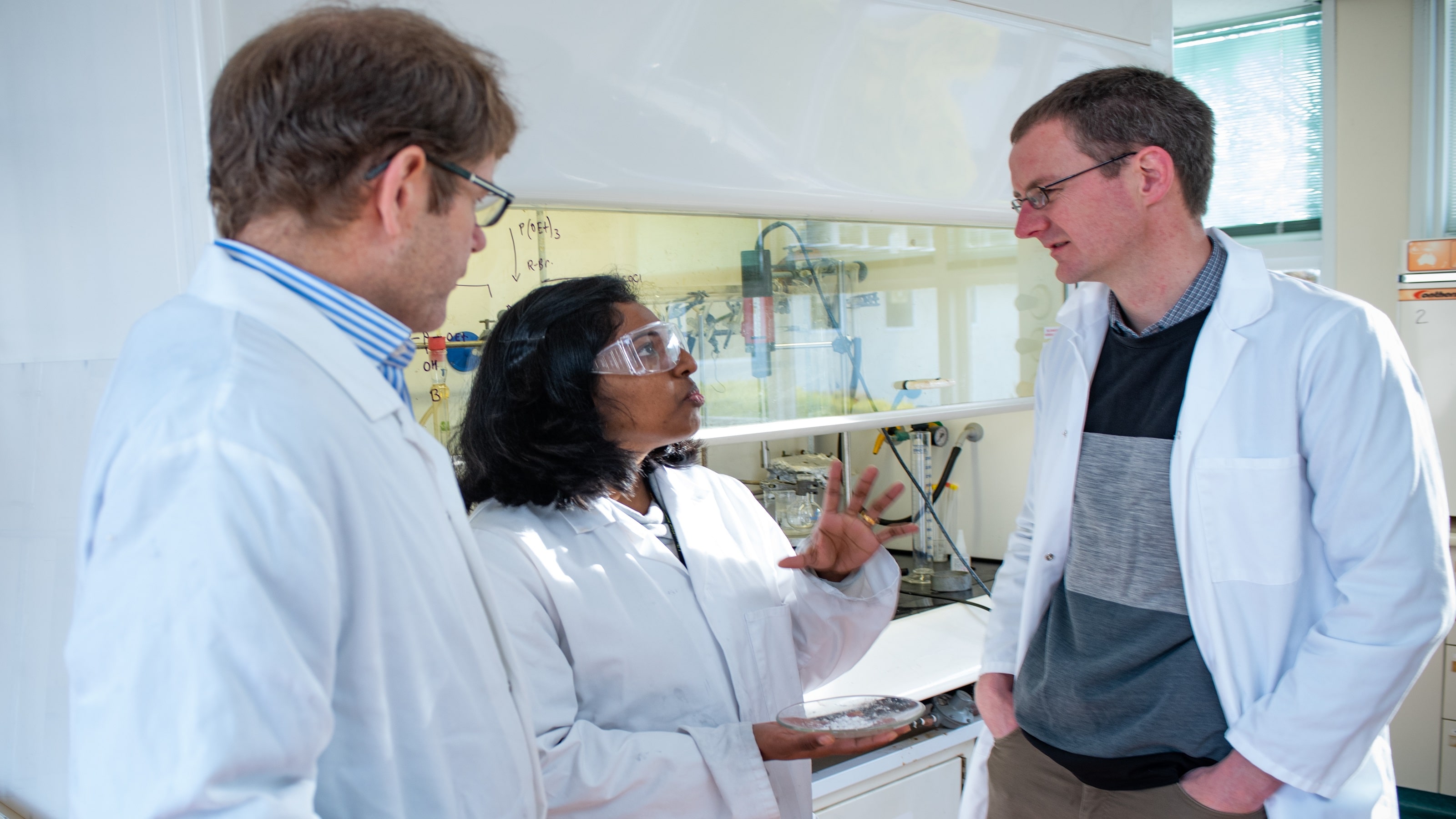
Zero-CO₂ metals
A hydrogen-based steelmaking process that produces water rather than CO₂ as a by-product could help us to reduce our carbon footprint.