
Developing new perspectives on leadership and global responsibility
From meeting with global leaders to volunteering on sustainability projects, Mingying’s experience of WILP transformed her perceptions of leadership.
Aotearoa New Zealand and Pacific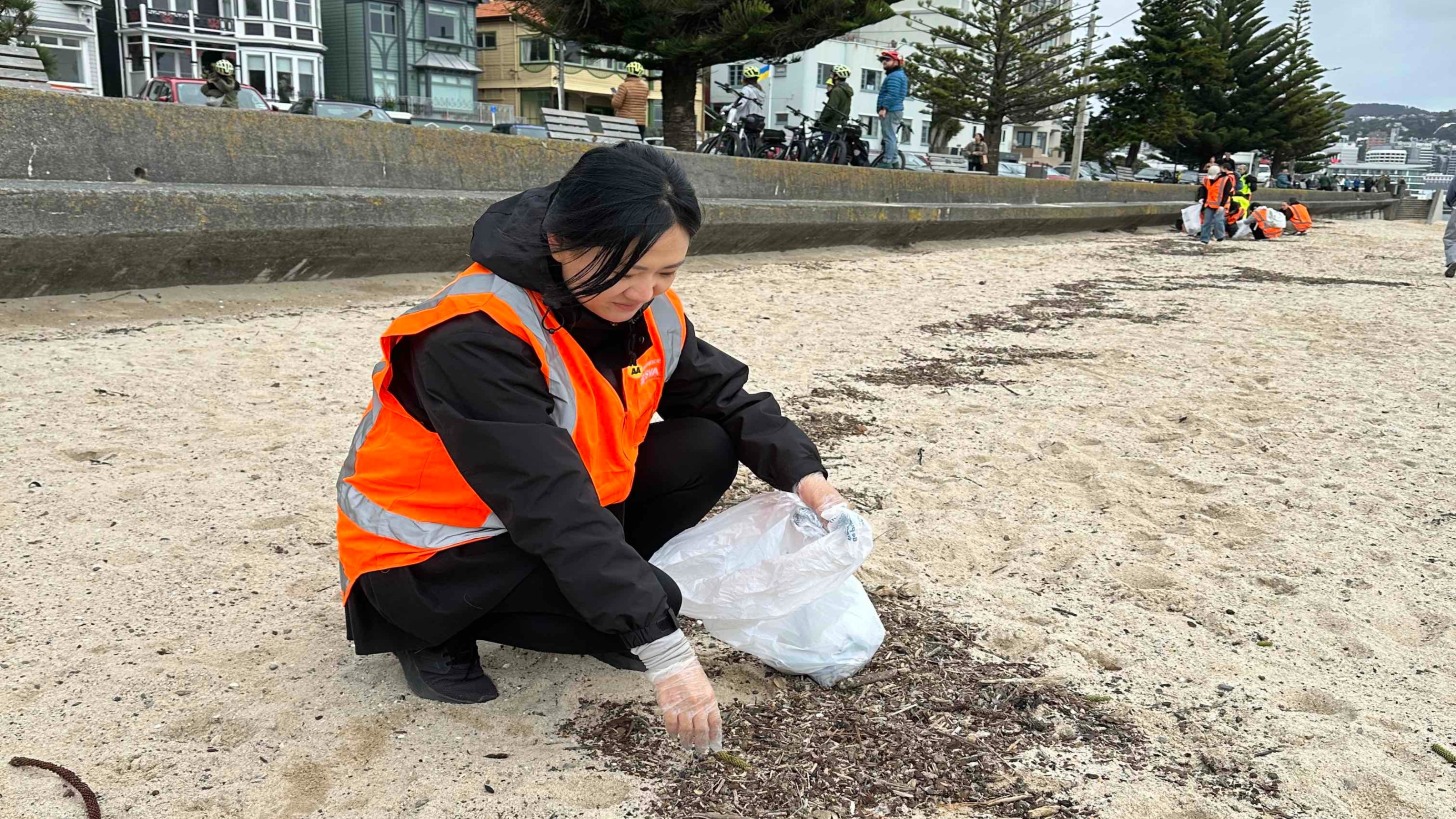
We had the pleasure of connecting with Mingying (Mia) Wang, a Master of Business Analysis student, to hear about her experience in the Wellington International Leadership Programme (now the Kitea Impact Programme). In this post, Mingying discusses the diverse global leaders she met through the programme and how her perspectives of leadership were transformed. She also shares how her understanding of sustainability expanded through her work with the Green Impact Challenge and how she became more confident in multicultural environments.
Tell us a bit about you
My name is Mingying, and my English name is Mia. I am studying for a Master of Business Analysis at Victoria University of Wellington. Before this, I worked as a product manager in internet companies, mainly focusing on user growth.
I’m passionate about data analysis and enjoy uncovering business opportunities through insights. Studying at Victoria has been a valuable experience; not only have I gained solid, systematic knowledge, but I have also learned how to work effectively in diverse, multicultural teams.
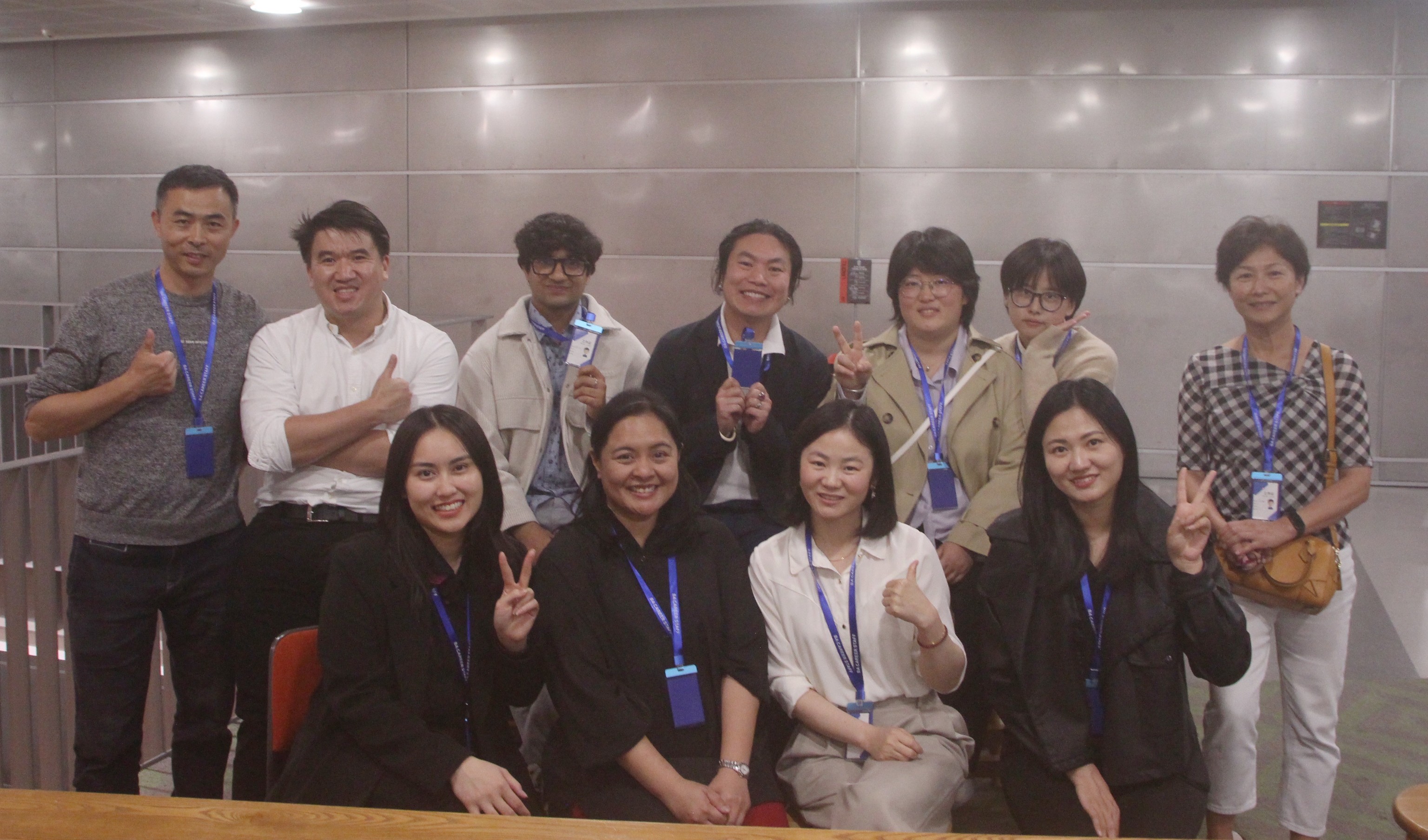
Alongside my studies, I have been an active volunteer. I contributed to the BA Career Meetup, an organization that helps professionals transition into business analysis roles. I also volunteered at a local cat protection shelter and participated in occasional community activities, such as lantern festivals and beach clean-ups. Volunteering has helped me connect more deeply with the local culture, make new friends, and enrich my life beyond academics.
In my free time, I enjoy hiking, practicing yoga, and playing the piano—activities that bring balance and joy to my life.
Why did you decide to participate in WILP?
With my background as a product manager, I’ve always hoped to become a leader in the future, someone who can lead teams effectively and navigate diverse perspectives. As an international student, I was also eager to broaden my global outlook and better understand the challenges and responsibilities of leadership in today’s world.
I first heard about WILP during a career event where the speaker, a VUW alumnus who also studied business analysis, shared his journey of becoming a business analyst. One piece of advice he gave really stuck with me: “Say yes more than no” to opportunities during your study journey. He mentioned that joining WILP was one of those valuable experiences, it taught him many useful things and helped him perform well in job interviews. His story inspired me, and I looked into the programme right after the event.
When I explored WILP, I discovered it wasn’t just about leadership training through seminars—it also offered real opportunities to immerse yourself in different cultural environments. With so many events and activities designed to broaden your perspective, I felt this programme would be valuable not only for my future career, but also for adapting to multicultural life in New Zealand. So I signed up without hesitation.
What was one of your most memorable WILP experiences?
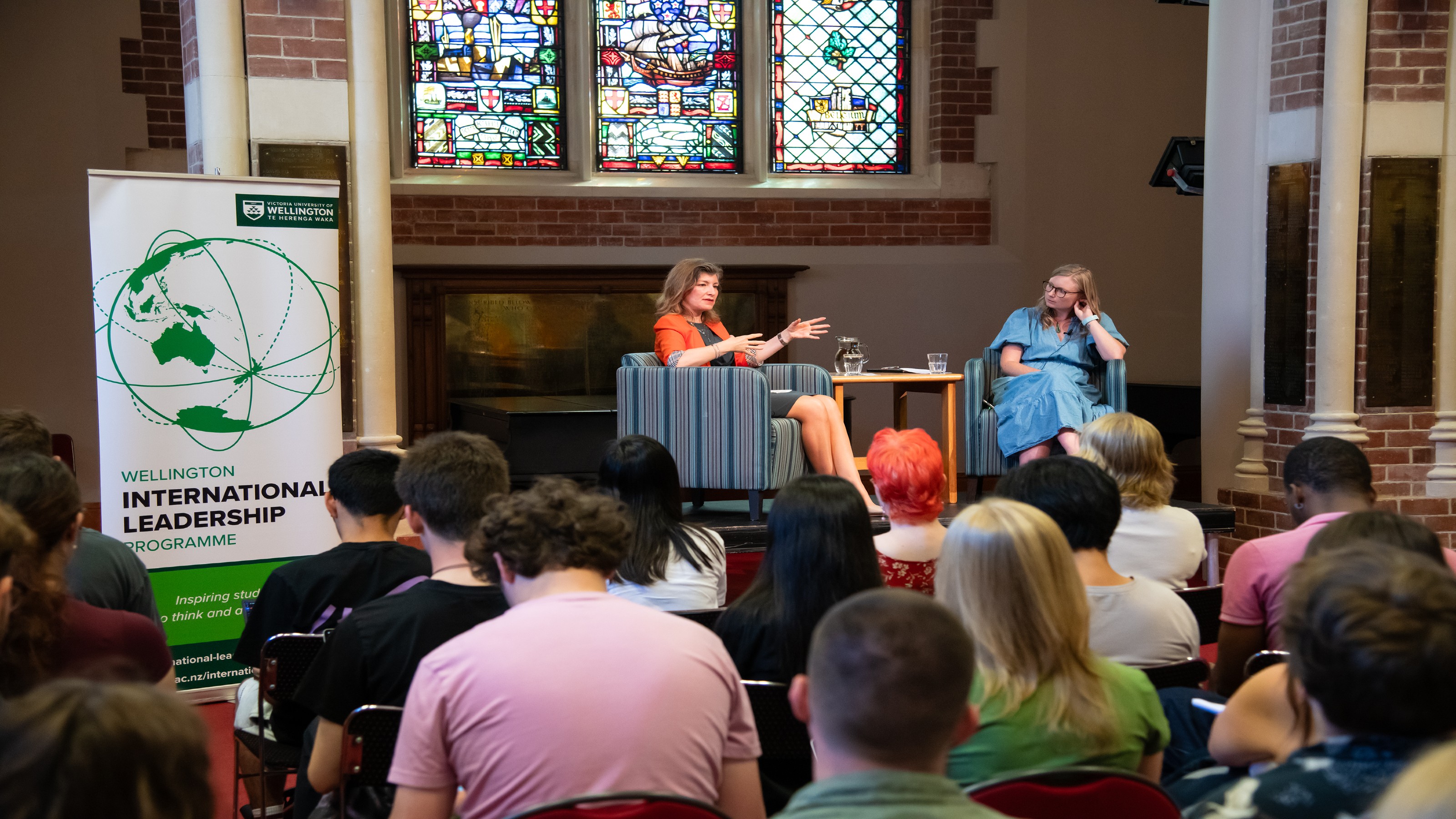
One of my most memorable WILP experiences was attending the Diplomatic Dialogue seminar with Her Excellency Omur Unsay, Turkey’s Ambassador to New Zealand. It was my first time joining a diplomatic dialogue, and it honestly felt like a dream. Seeing a female diplomat in such a high-ranking position was incredibly inspiring, especially given how diplomacy remains male-dominated in many cultures, including my own. Her presence powerfully reinforced the importance of women’s representation in global leadership.
Her Excellency shared thoughtful insights on Turkey’s role in a multipolar world, particularly its balancing act between NATO and Russia. As a Chinese student, I found this highly relevant, like Turkey, China often positions itself between competing global powers. Her perspective helped me better understand how middle powers can play important roles in mediation and diplomacy through neutrality and negotiation rather than confrontation.
What left a lasting impression was her emphasis on adaptability, language skills, and cultural understanding, all of which I’ve experienced firsthand as an international student. Her speech reminded me that diplomacy is not just about policy, but also about human connection, resilience, and the ability to navigate complex cultural environments.
WILP gave me rare and valuable access to global leaders. Attending three diplomatic dialogues during the programme allowed me to compare perspectives from different countries, and reflect on leadership in a truly international context. I’m truly grateful that WILP provided students like me the opportunity to learn directly from diplomats, and to reimagine what leadership can look like in today’s interconnected world.
What were some of the new skills and/or knowledge you gained through WILP?
Through WILP, I developed stronger intercultural awareness. The seminars and activities helped me better understand how people from different cultural backgrounds think, speak, and act differently. I learned to respect those differences and adapt my own communication style. This helped me become more open-minded and confident when working in diverse groups.
I also gained new insights into leadership across cultures. Before WILP, I understood leadership mostly from a business perspective—being efficient, decisive, and in control. But through different sessions, I came to see that leadership can also mean care, responsibility, and creating space for others. The Against Leadership seminar, in particular, challenged the traditional view that leadership is always positive. It made me reflect on how leadership can sometimes exclude or dominate, and it encouraged me to think about being a more inclusive and people-centered leader.
My understanding of sustainability also grew a lot during WILP. I learned that sustainability isn’t just about protecting the environment—it’s also about ethics, fairness, and long-term responsibility. Everyone, not just formal leaders, has a role to play in building a sustainable future. This became even more real for me when I joined the Green Impact challenge with my housemate. Together, we made small but meaningful changes in our daily habits to reduce waste and live more sustainably. That experience taught me that leadership in sustainability starts with our own actions.
Finally, one of my biggest areas of personal growth came from engaging with students from other cultures. At the beginning of the programme, I was afraid to speak in group discussions, so I mostly listened. But as I attended more seminars and activities, I gradually became more confident. I began sharing my views, asking questions, and learning a lot from others. These conversations helped me grow not only as a student, but also as a more thoughtful, global-minded person.
How has WILP influenced you and your future goals?
WILP has had a deep influence on both my personal growth and my future direction. Before joining, I focused mainly on academic success and developing technical skills for a career in business analysis. But through WILP, I gained something more meaningful, a broader mindset and stronger sense of global responsibility.
The programme helped me become more confident in multicultural environments. At the beginning, I often stayed quiet because I was afraid of saying the wrong thing. But by participating in discussions, activities, and volunteering, I learned how to express myself, respect different perspectives, and build real connections across cultures. These experiences showed me that confidence doesn’t come from having perfect English, it comes from being willing to engage, learn, and grow.
WILP also reshaped how I understand leadership. I used to see it mainly as a role, being in charge or making decisions. Now I see it as a responsibility. It’s about listening, serving others, and having the courage to act with integrity—especially in uncertain or cross-cultural situations. I want to carry these lessons into my future career, where I hope to use data not just to improve business outcomes, but also to support ethical, inclusive, and sustainable development.
WILP also sparked my interest in global challenges, especially sustainability. I now realise that no matter what field I work in, I have a role to play in shaping a better future, through my mindset, my voice, and my everyday choices.
Learn more
WILP and Wellington Plus have recently joined together to become the Kitea Impact Programme. This new leadership programme will be available from 2026. Learn more about the Kitea Impact Programme here https://www.wgtn.ac.nz/students/student-life/kitea.