
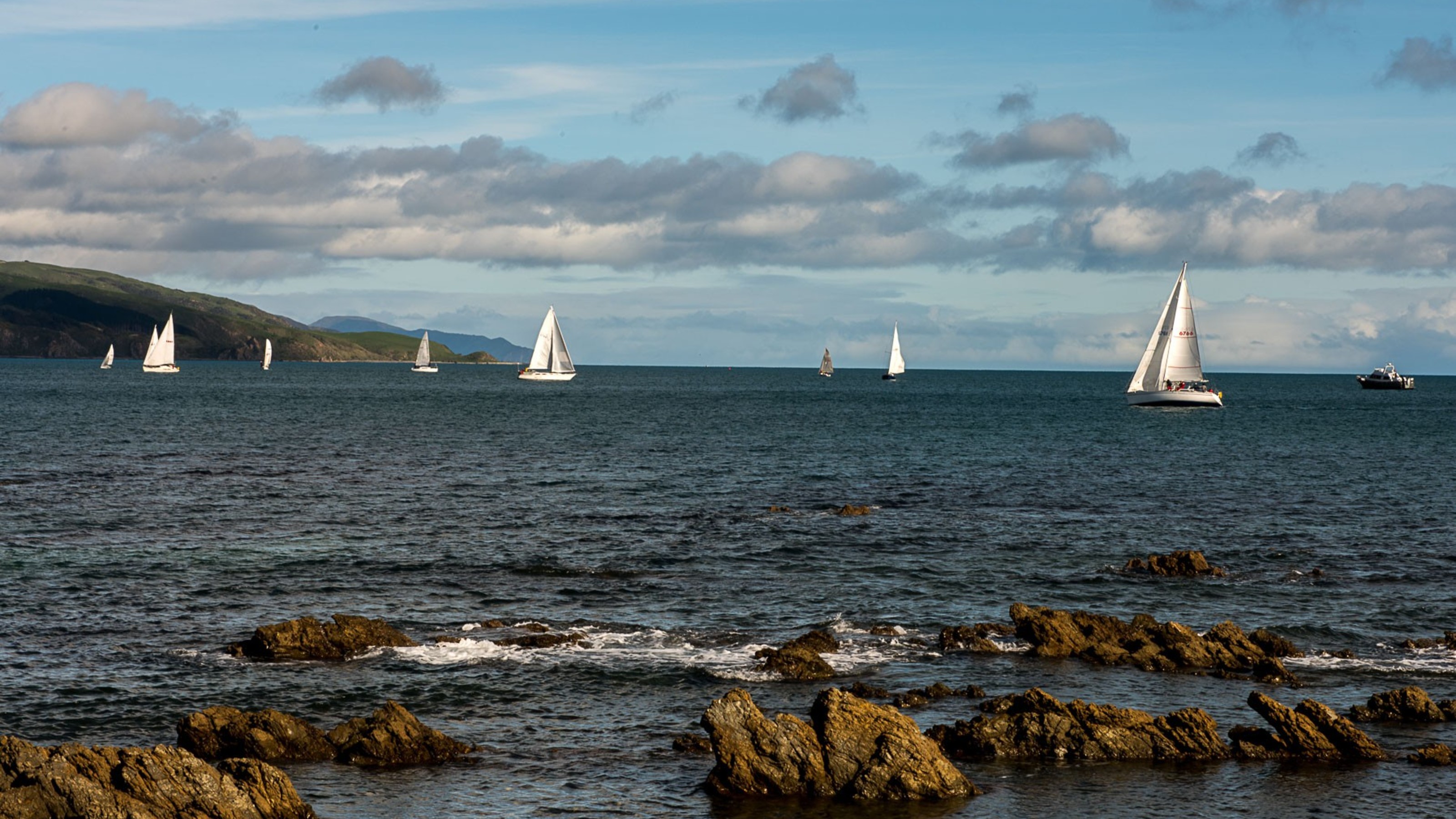
Understand our physical environment through data
Geographic data underpins our understanding of many global issues, from climate change to population dynamics. In New Zealand—and globally—there's a shortage of people with the ability to apply and interpret this data in what is a key emerging field.
Learn in-demand spatial analysis skills that are valuable across wide range of disciplines, from understanding our physical environment to exploring social and environmental challenges. Build a powerful geospatial toolkit to enhance your understanding and prepare you for the data-driven future.
Combine field-based data collection methods with satellite imagery and transport and other datasets to explore spatial patterns and relationships and answer real-world questions. Bring spatial data to life through maps and interactive visualisations. Discover new ways to explore, understand, and communicate the world around us.
Choose your study path
You can study Geographic Information Science as a minor in the Bachelor of Environment and Society and the Bachelor of Science.
Many subjects complement Geographic Information Science, such as:
- Artificial Intelligence
- Computer Science
- Data Science
- Development Studies
- Ecology
- Environmental Science
- Geography
- Physics
- Statistics.
Degree support and advice
We can help you match your interests and career goals with the right course of study.
If you’re a new student, talk to a Future Student Adviser.
If you’re already studying with us, talk to Tītoko—Student Success.

Study options
Find out how you can study Geographic Information Science at Te Herenga Waka—Victoria University of Wellington.
Geographic Information Science in practice
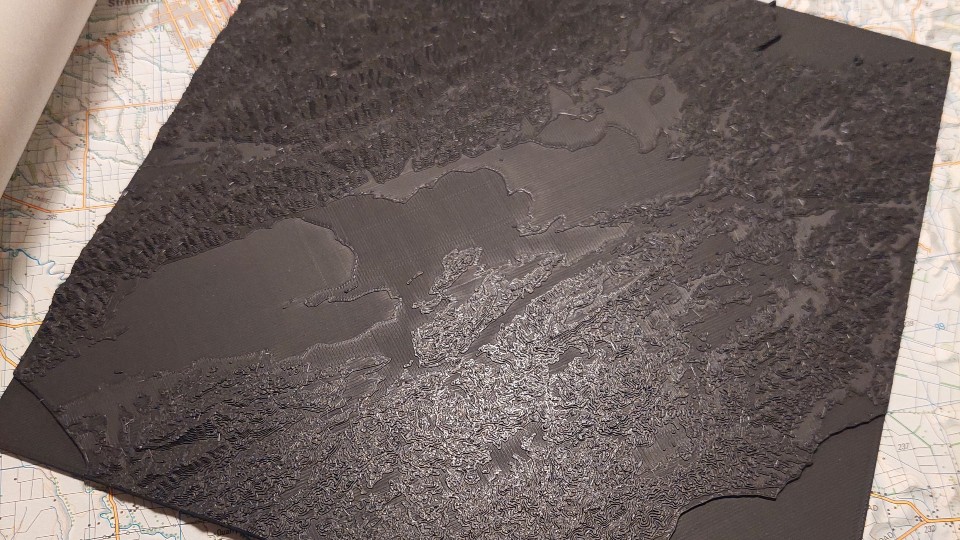
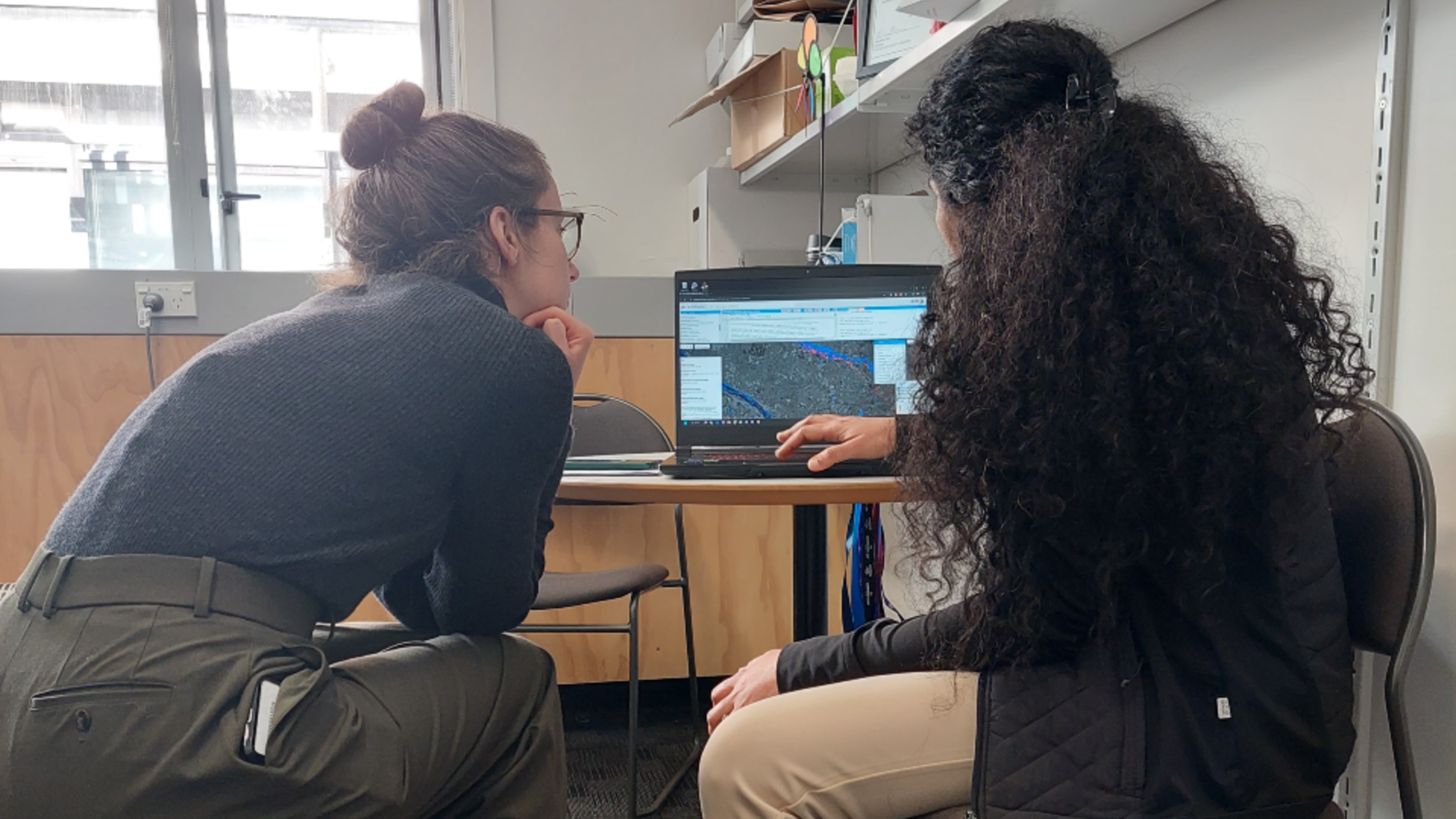
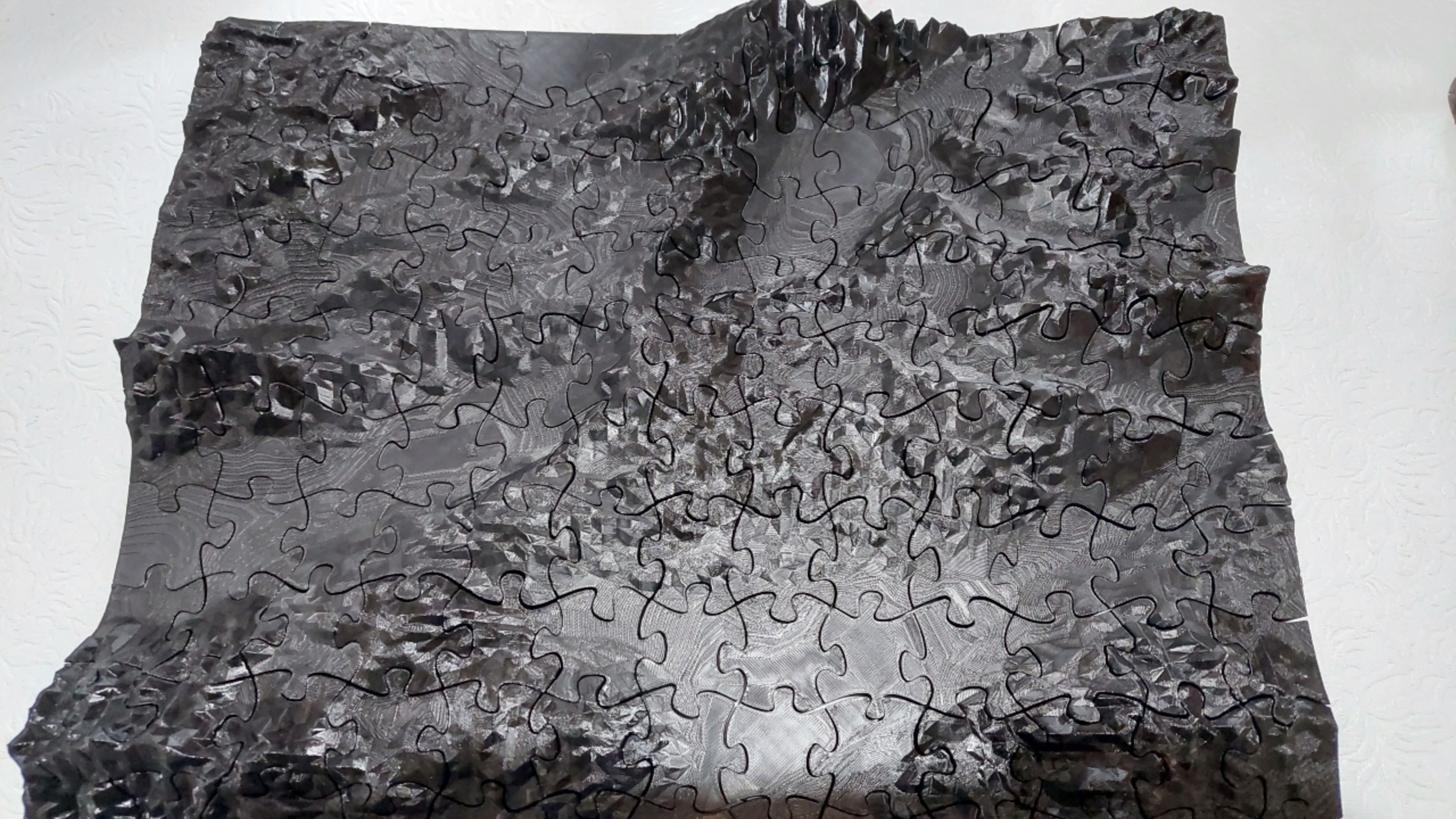
In Geographic Information Science, you'll learn new ways to visually interpret and present information about our physical environment.
Future careers
You’ll gain a strong understanding of core geospatial tools and techniques, such as programming, database management, cartography, remote sensing, and spatial analysis.
Spatial and geospatial skills are valued across a wide range of sectors, including:
- central, regional, and local government
- environmental management and conservation
- natural hazards and emergency management
- climate change and sustainability
- transport and infrastructure
- technology and data analytics.
More career information
Find out more about careers.
The government careers website, Tahatū, offers more information about jobs, salaries, and current opportunities.
Scholarships
You may be able to get a scholarship to help fund your studies.
We have postgraduate and doctoral scholarships available, as well as specialised scholarships for different groups and subject areas. If nothing fits right now, something may suit you later.
We encourage you to apply. It's a straightforward process, and it could make a real difference.
Scholarships for Science
-
The award provides financial support to returning or transferring Pasifika students enrolled or intending to enrol in a programme in ecological or environmental sciences the year following application. The award is open to graduates of any university within or outside of New Zealand.
-
Applicants must be female, New Zealand or Canadian citizens studying full time at 300 level BSc (Hons) and Master's by Coursework in any area of Science, including Architecture and Design at Te Herenga Waka—Victoria University of Wellington.
-
Applicants must be enrolled or intending to enrol in a Master's of PhD programme in the Faculty of Science and Engineering, undertaking research in any aspect of biodiversity and restoration ecology, including the use of novel technologies. Preference will be given to applicants from the School of Biological Sciences and the School of Geography, Environment and Earth Sciences.
Scholarships for international students
We are currently offering a NZ$10,000 VUW Postgraduate International Scholarship to all eligible international students enrolling in a Master’s degree or Postgraduate Diploma programme.
Your scholarship will be processed automatically when your programme application is accepted, and the amount will be deducted from your tuition fees.
Other scholarships
We also have postgraduate and doctoral scholarships available, as well as specialised scholarships for different groups and subject areas. If nothing fits right now, something may suit you later.
We encourage you to apply. It's a straightforward process, and it could make a real difference.
Scholarships for Science
-
The award provides financial support to returning or transferring Pasifika students enrolled or intending to enrol in a programme in ecological or environmental sciences the year following application. The award is open to graduates of any university within or outside of New Zealand.
-
Applicants must be female, New Zealand or Canadian citizens studying full time at 300 level BSc (Hons) and Master's by Coursework in any area of Science, including Architecture and Design at Te Herenga Waka—Victoria University of Wellington.
-
Applicants must be enrolled or intending to enrol in a Master's of PhD programme in the Faculty of Science and Engineering, undertaking research in any aspect of biodiversity and restoration ecology, including the use of novel technologies. Preference will be given to applicants from the School of Biological Sciences and the School of Geography, Environment and Earth Sciences.
Postgraduate study
If you choose to continue to postgraduate study with us after finishing your degree, you’ll join a talented team of internationally recognised researchers doing innovative work.
Postgraduate Geographic Information Science
If you get good results in your undergraduate study, you continue on to study a Master’s or PhD in Postgraduate Geographic Information Science.

Get help to manage your finances
We can help you:
- budget your money
- manage your student loan or allowance
- work out your accommodation payment schedule.
If you're facing financial difficulties, we can help you apply for the Hardship Fund.
You may be eligible for government or community support, too.


Wellington Global Exchange
If you're a current student at Victoria University of Wellington, you can complete part of your degree overseas. Choose from our 140 partner universities worldwide.
Study Abroad and Exchange Programme
If you're an overseas student, you can spend a trimester or a year at Victoria University of Wellington. You'll earn credits at your home university while you study here.