

Advance your technical storytelling skills
The Master of Design Technology is Aotearoa New Zealand’s premier postgraduate animation and visual effects (VFX) programme.
Learn from industry veterans in the heart of Wellington’s film production hub. You’ll be taught by a team of academics, artists, and professionals who have extensive experience working with industry leaders and pursuing their own creative practice.
Develop your craft, storytelling excellence, professional practice, and research skills. Use industry-standard tools, develop your eye for visual narrative, and learn to tell your own stories. You’ll be ready to step into a career in the screen arts—whether you’re looking to work at a big studio or independently.
The Master of Design Technology
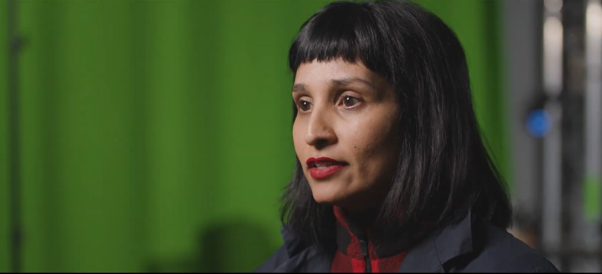
Who can study for this qualification
You can study for the Master of Design Technology (MDT) if you have a Bachelor of Design Innovation in Media Design, Game Design, or Animation and Visual Effects. You may be able to apply if you have suitable practical, professional, or academic experience.
You must demonstrate your abilities with a 3D computer graphics application.
When you apply for the MDT, you’ll need to submit a portfolio that shows your creativity and digital proficiency. Read the guidelines carefully so you know what you need to submit.
What you’ll learn
We believe that the best way to excel in animation and VFX is to make films. The programme is delivered through a unique combination of advanced coursework, group film projects, and individual research—all in support of making the best films possible. It’s designed around four pillars.
Story
Storytelling is the heart of the programme. But how do we tell stories about our lived experiences that are both truthful and interesting? How can we design compelling characters that we want to connect with emotionally? We examine what can be done at every stage of the craft process to help us tell beautiful, weird, and wonderful stories that resonate with audiences around the world.
Technique
We all love amazing images. But creating well designed, highly polished work can be technically very challenging. In a medium that is constantly evolving, we are always looking at the most interesting, innovative, and technically advanced approaches to image making.
Professional practice
Filmmaking is a team sport. Whether working in large teams or on small projects, success requires effective teamwork and leadership skills. Navigating the interpersonal relationships and collaborative processes required to do this can be complicated. As the screen industry continues to place a high priority on these soft skills, we place their development front and centre in the MDT.
Research
Being able to solve problems that don't have answers has always been a valuable skill in the screen industry. As technology continues to develop at a relentless pace, being able to innovate, solve problems, and think critically is more important than ever. The research skills you’ll learn through this degree will help you become a valuable asset to any team.
How you’ll study
The MDT is an intensive full-time degree taught over 12 months.
You’ll be supported to develop your portfolio and will graduate with a body of work you can use when you look for a job in the industry.
Choose between two pathways—a research portfolio or a capstone project.
Research portfolio pathway
Develop your research abilities by completing a research portfolio.
You’ll work alongside the capstone students to produce an original research project in an area of animation or VFX that you are passionate about.
Capstone project pathway
In the final trimester, you’ll complete a capstone project where you’ll apply your skills in design research and production.
Work as a team to create a short narrative work, with guidance from academics and industry mentors.
What you’ll study each trimester
Each trimester includes a large amount of group work, where you’ll work as a team to complete short, animated film projects.
Trimester 1
You’ll start by developing advanced technical skills and pitching story ideas.
You’ll also complete a core course in creative coding for digital content, and choose between electives in motion and performance, or compositing and VFX design.
Trimester 2
Choose between electives in lighting and rendering or effects and simulation.
You’ll also be making your thesis films. Work together as a team to create a short narrative work, with guidance from academics and industry mentors.
After a series of student pitches, projects are selected and teams are formed. This is followed by a substantial development phase to get the projects ready for production.
Trimester 3
Projects go into production and the focus shifts to creating and finishing the highest quality work possible.
As part of the team, you will research and develop a unique contribution to the group thesis film, focusing on a specific work area. For example, you might be excited to explore new techniques or approaches in lighting, rendering, character animation, or compositing.
You will present your individual contribution with a short, written thesis.
Digital technologies you’ll use
We teach industry-standard 3D software packages, including:
- SideFX’s Houdini and VEX programming
- Epic Games’s Unreal Engine
- The Foundry’s Nuke.
The MDT is a certified training partner of SideFX and Epic Games's Unreal Engine.
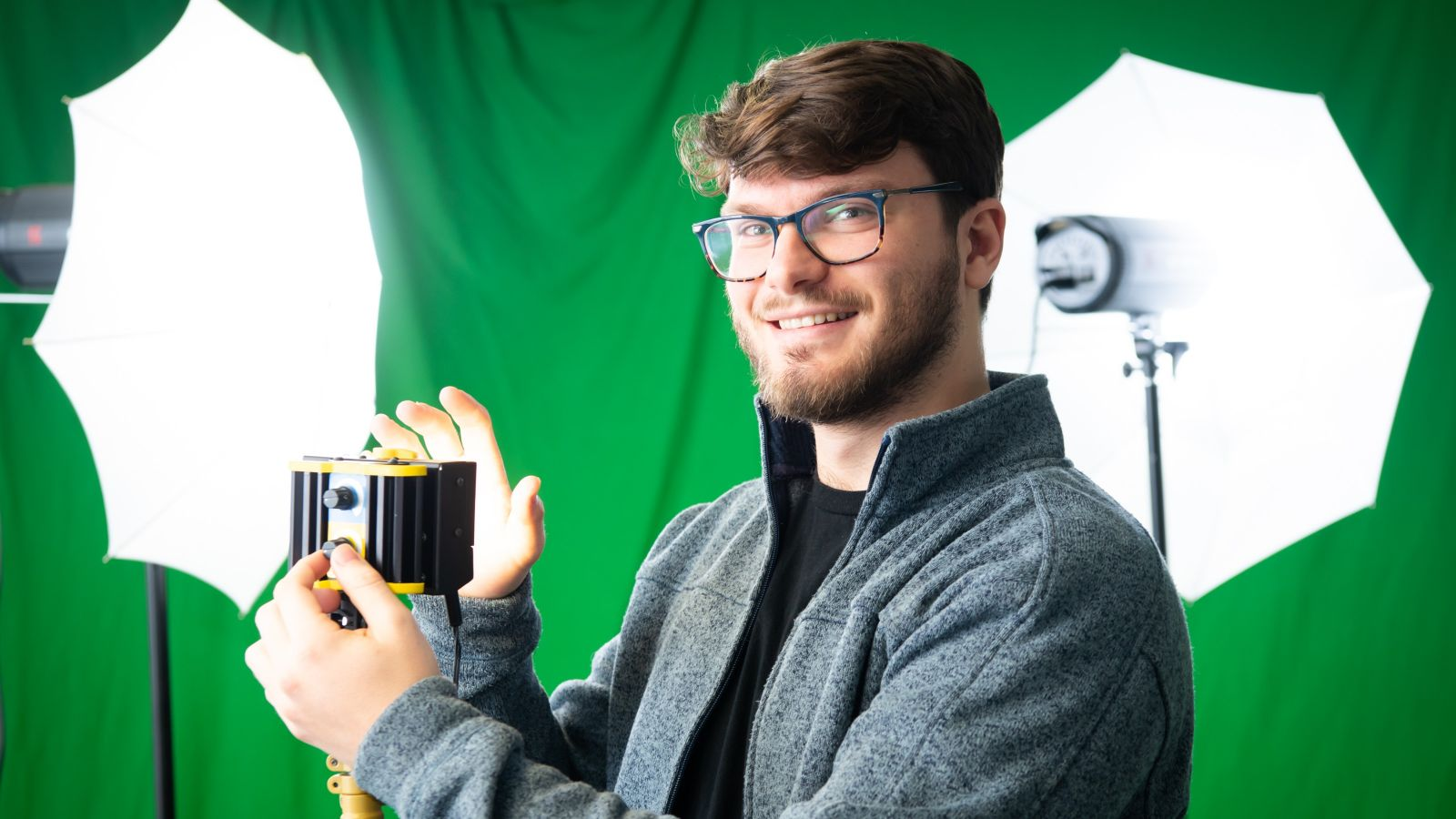
Read more about Camden's MDT experienceThe proximity of this course to the Miramar film and TV industry was a huge incentive for me as well. Knowing that I would be studying visual effects right next door to one of the world’s leading companies in this area was very exciting.
Postgraduate study at the School of Design
Build valuable relationships and networks with peers, University staff, and future colleagues as a postgraduate student at the School of Design.
- Work out of the Miramar Creative Centre, where you’ll have the opportunity to forge deep relationships students from the University’s postgraduate programmes in design technology, film, and film scoring.
- Build relationships with academics and students who are interested in the same area of design through Design Research Groups.
- Get access to regular workshops.
- Take part in the annual postgraduate design exhibition.
- Take part in the Miramar Creative Centre Showcase—the graduate screening at the Roxy Cinema in Miramar.
You’ll also be encouraged to make the most of opportunities to attend events, seminars, workshops, and social functions.
Qualification support and advice
We can help you match your interests and career goals with the right course of study.
If you’re a new student, talk to a Future Student Adviser through our enquiry form.
If you’re already studying with us, talk to Tītoko—Student Success.
For the research portion of your study, you’ll need a supervisor to help guide your research. Your programme coordinator will work with you to find the right person.

Entry requirements
Entry requirements for domestic students
- Requirements for students who completed university in:
If you live in New Zealand and are a citizen or permanent resident of New Zealand or Australia, you're considered a domestic student.
Some citizens of the Cook Islands, Niue, and Tokelau may automatically hold New Zealand citizenship.
Diplomatic residents living in New Zealand are also regarded as domestic students.
To be accepted into this qualification, you need:
1. (a) Before enrolment, a candidate for the MDT degree shall have:
(i) Completed a Bachelor of Design Innovation degree in Game Design, Media Design, or Animation and Visual Effects, or an equivalent qualification, with an average grade of at least B; and
(ii) submitted an acceptable portfolio; and
(iii) been accepted by the head of school as capable of proceeding with the proposed course of study.
(b) Requirement (a)(i) may be waived by the Associate Dean Students (Postgraduate Taught) of the Faculty of Architecture and Design Innovation for a candidate who has had extensive practical, professional, or scholarly experience of an appropriate kind, that provides an equivalent level of preparation.
Qualification requirements
Excerpt from the regulations for MDT
2. (a) Except as provided in (c), the course of study for the MDT shall consist of courses worth at least 180 points, including:
Part 1:
(a) Visual and Narrative Development (MDDN 401), Creative Coding for Digital Content / Waehere Auaha (MDDN 451) and
(b) 60 further 400-level points from the MDT Schedule
Part 2: Visual Effects Capstone (MDDN 541).
(b) Entry to Part 2 normally requires completion of Part 1 with at least a B+ average.
(c) With the permission of the associate dean, a candidate who has completed a relevant Honours degree, or equivalent qualification at an appropriate standard, may be exempt up to 60 points of the required courses at 400 level.
(d) With the head of school’s permission, a candidate may replace Visual Effects Capstone (MDDN 541) and 30 points from Part 1 with Research Portfolio (MDDN 597).
(e) The minimum and maximum periods of enrolment for Research Portfolio (MDDN 597) are specified in the Master’s Thesis Regulations.
3. A candidate shall normally be enrolled for at least three trimesters, and complete the degree within three years of first enrolling. The Associate Dean, Students (Postgraduate Taught) may extend the maximum period in special cases.
Note: A student who does not complete the MDT may be able to transfer the courses to a Postgraduate Certificate or Postgraduate Diploma in Design Innovation. Refer to the PGCertDI and PGDipDI regulations.
Future careers
Our graduates have screened their films at festivals in New Zealand and across the world, including:
- SIGGRAPH electronic theatre
- Show Me Shorts
- New Zealand Youth Film Festival
- Sand Diego International Film Festival
- Sydney Science Fiction Film Festival
- Berlin Sci-Fi Filmfest
- Anim Arte, Brazil
Graduates of the MDT work at organisations in Aotearoa New Zealand and internationally, like:
- Wētā Digital
- 880 Productions NZ (James Cameron)
- Industrial Light and Magic (ILM)
- 808 Ltd
- 37 Degrees Studio
- Floating Rock
- Alt. VFX
Around half of Wētā FX’s junior new hires each year come directly from the MDT.
More career information
Find out more about careers in design technology.
The government careers website, Tahatū, offers more information about jobs, salaries, and current opportunities.
Scholarships
You may be able to get a scholarship to help fund your studies.
We have postgraduate and doctoral scholarships available, as well as specialised scholarships for different groups and subject areas. If nothing fits right now, something may suit you later.
We encourage you to apply. It’s a straightforward process, and it could make a real difference.
Scholarships for Design
-
This scholarship will support a student studying an undergraduate degree in Architecture, Design Innovation, Computer Science, Artificial Intelligence, Data Science, Design Technology, Electric & Computer System Engineering, Software Engineering or Cybersecurity Engineering. The scholarship may also be awarded in conjunction with a Trimble Internship.
-
This scholarship was established in 1997 from a bequest from the estate of Arnold Woodford Izard. The scholarship is offered to students enrolled in a Master's by thesis degree in any faculty at Te Herenga Waka–Victoria University of Wellington, with the exception of the Faculty of Humanities and Social Sciences. NZSM students are still eligible to apply. This scholarship is...
-
This scholarship is for students undertaking or intending to undertake an Honours or Masters degree at Te Herenga Waka—Victoria University of Wellington in areas related to Peace Building or Peace Studies, Trust Building, Conflict Resolution, addressing Historical Injustice, Restorative Justice, Social Cohesion, Community building and promoting cross-cultural understanding, Change Making or Ethical Leadership.
Scholarships for international students
We are currently offering a NZ$10,000 VUW Postgraduate International Scholarship to all eligible international students enrolling in a Master’s degree or Postgraduate Diploma programme.
Your scholarship will be processed automatically when your programme application is accepted, and the amount will be deducted from your tuition fees.
Other scholarships
We also have postgraduate and doctoral scholarships available, as well as specialised scholarships for different groups and subject areas. If nothing fits right now, something may suit you later.
We encourage you to apply. It’s a straightforward process, and it could make a real difference.
Scholarships for Design
-
This scholarship was established in 1997 from a bequest from the estate of Arnold Woodford Izard. The scholarship is offered to students enrolled in a Master's by thesis degree in any faculty at Te Herenga Waka–Victoria University of Wellington, with the exception of the Faculty of Humanities and Social Sciences. NZSM students are still eligible to apply. This scholarship is...
-
To encourage postgraduate research in architecture, construction, building science, design, design technology and user experience at Te Wāhanga Waihanga-Hoahoa – the Faculty of Architecture and Design Innovation, the faculty offers scholarships to students about to begin a full-time master’s by research degree.
-
Applicants must be female, New Zealand or Canadian citizens studying full time at 300 level BSc (Hons) and Master's by Coursework in any area of Science, including Architecture and Design at Te Herenga Waka—Victoria University of Wellington.
Join our postgraduate community
The Postgraduate Students’ Association provides a voice for you on campus and information on studying at Te Herenga Waka—Victoria University of Wellington.
Postgraduate Students’ Association
MAI ki Pōneke
MAI ki Pōneke are part of an international network of Māori and Indigenous postgraduate students. They provide advice, support, and information to Indigenous postgraduate students of all levels, as well as those thinking about enrolling.
Why Wellington
Wellington has a long-established history as a film hub. That includes films with revolutionary VFX and animation, like the Lord of the Rings, Hobbit, and Avatar series.
Learn from leading professionals, and get mentoring from those who are at the cutting edge of contemporary digital animation.
You’ll take your classes at Miramar Creative Centre located among the Wētā Group’s buildings. It includes:
- a motion-capture stage
- professional digital film camera systems
- sound recording and mixing studios
- editing suites.
You’ll share the space with students from the University’s postgraduate programmes in live-action film production and film scoring, and may work on projects together.
Industry relationships
Wellington is a leading city for digital animation and VFX. We have established relationships with local and international studios, including:
- Wētā FX
- 880 Productions NZ (James Cameron)
- Industrial Light and Magic (ILM)
- 808 Limited.
Study for a PhD
If you do well in your Master’s degree and show an aptitude for advanced research, you could apply to do a PhD—the highest-level qualification we offer.
You’ll carry out original and sustained research, supervised by our world-class academics.
As a PhD candidate, you’ll also be supported by the Faculty of Graduate Research.
Academic staff research areas
Areito Echevarria

Senior Lecturer in Design, Visual Effects
Fanni Fazakas
Senior Lecturer, Master of Design Technology
Kevin Romond
Senior Lecturer in Animation and Visual Effects
Raqi Syed
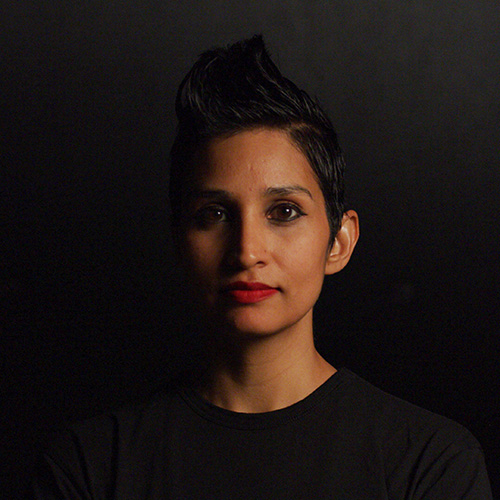
Director, Miramar Creative Centre
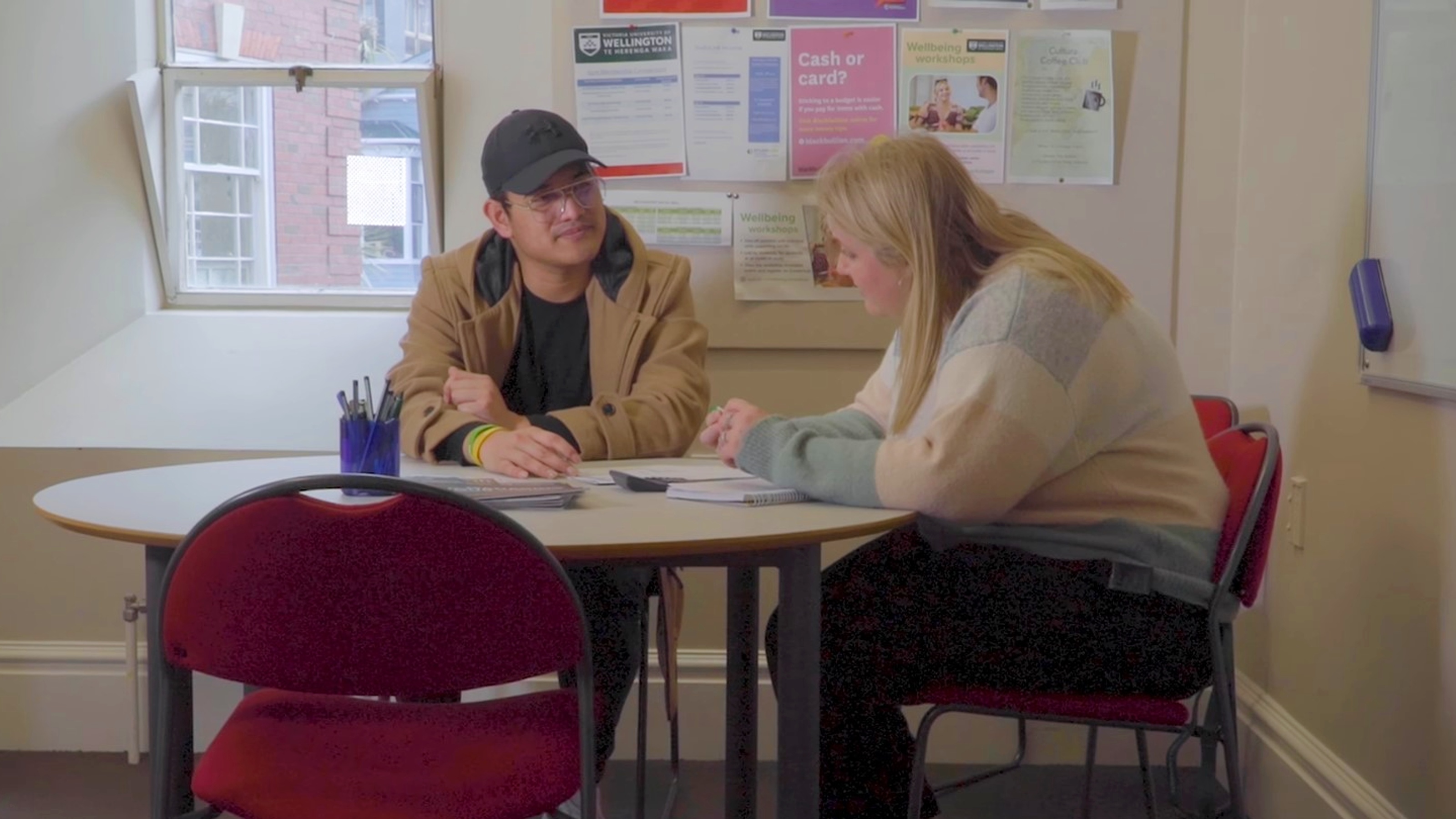
Get help to manage your finances
We can help you:
- budget your money
- manage your student loan or allowance
- work out your accommodation payment schedule.
If you’re facing financial difficulties, we can help you apply for the Hardship Fund.
You may be eligible for government or community support, too.
Apply for a New Zealand study visa
You’ll need to apply for a study visa if you plan to study with us as an international student.
You should apply for your visa after you’ve received your Offer of Place, and before you come to New Zealand.