

Get up to date with engineering practice
The 180-point Master of Engineering Practice is a 1-year (three trimester) programme that helps you build a strong technical foundation.
It’s the perfect choice if you want to specialise in a particular area of engineering. You’ll have the chance to develop niche knowledge that will open doors to specialist and senior roles.
If you’re an international student, the MEP will get you up to speed with engineering practice in New Zealand and make you a strong candidate for jobs here.
Who can study for this qualification
If you already have a Bachelor of Engineering with Honours, or the equivalent, you may be able to credit some of your honours-level courses towards the MEP. This would allow you to gain a Master’s degree in as few as two trimesters of study.
What you’ll learn
- mechatronics
- renewable energy
- software engineering
- electronics
- networked applications.
Part-time study options
Entry requirements
Entry requirements for domestic students
- Requirements for students who completed university in:
If you live in New Zealand and are a citizen or permanent resident of New Zealand or Australia, you're considered a domestic student.
Some citizens of the Cook Islands, Niue, and Tokelau may automatically hold New Zealand citizenship.
Diplomatic residents living in New Zealand are also regarded as domestic students.
To be accepted into this qualification, you need:
1. (a) Before enrolment, a candidate for the MEP degree shall have:
(i) completed a Bachelor’s degree in a relevant subject with an average grade of at least B+; and
(ii) been accepted by the Head of the School of Engineering and Computer Science as capable of proceeding with the proposed course of study.
(b) A candidate who has the equivalent of a New Zealand BE(Hons) in a relevant subject may be exempted up to 60 points of Part 1 by the Associate Dean (Students).
Qualification requirements
Exerpt from the regulations for the MEP
2. (a) The course of study for the MEP shall consist of:
Part 1: Engineering Research and Communication (ENGR 501), Engineering Professional Practice (ENGR 502), Engineering Project 1 (ENGR 510), Engineering Project 2 (ENGR 511); 60 400-level points from the BE(Hons) Schedule (except Professional Practice (ENGR 401) and 489)
Part 2: ENGR 588 or 589.
(b) Entry to Part 2 requires at least a B– average in Part 1 courses or special permission from the head of school.
3. A candidate for the MEP must complete the qualification within three years of first enrolment.
4. A candidate who has been awarded a PGCertEP or a PGDipEP shall abandon that qualification on being awarded the MEP.
Future careers
- software engineering
- electrical engineering
- renewable energy engineering
- cybersecurity
- artificial intelligence
- mechatronics.
More career information
Find out more about careers in engineering.
The government careers website, Tahatū, offers more information about jobs, salaries, and current opportunities.
Scholarships
You may be able to get a scholarship to help fund your studies.
We have postgraduate and doctoral scholarships available, as well as specialised scholarships for different groups and subject areas. If nothing fits right now, something may suit you later.
We encourage you to apply. It’s a straightforward process, and it could make a real difference.
Scholarships for Engineering
-
Applications are sought from those who are eligible at the time of application, or who will have become eligible by the start of Trimester 2 the following year, to enrol in a Master’s degree by thesis worth 90 points or more. Applicants undertaking a 180-point Master’s degree will not be eligible for this scholarship.
-
The fund, which was established at the time of the renovation of the C3 lecture theatre, is to assist a second-year student from any faculty in their studies at Te Herenga Waka—Victoria University of Wellington
-
These scholarships are for students of Pasifika ethnicity from Porirua or surrounding areas who are enrolling or intending to enrol in an undergraduate course in the School of Engineering and Computer Science at Te Herenga Waka—Victoria University of Wellington.
Scholarships for international students
We’re currently offering a NZ$10,000 VUW Postgraduate International Scholarship to all eligible international students enrolling in a Master’s degree or Postgraduate Diploma programme.
Your scholarship will be processed automatically when your programme application is accepted, and the amount will be deducted from your tuition fees.
Other scholarships
We also have postgraduate and doctoral scholarships available, as well as specialised scholarships for different groups and subject areas. If nothing fits right now, something may suit you later.
We encourage you to apply. It’s a straightforward process, and it could make a real difference.
Scholarships for Engineering
-
These scholarships are for students of Pasifika ethnicity from Porirua or surrounding areas who are enrolling or intending to enrol in an undergraduate course in the School of Engineering and Computer Science at Te Herenga Waka—Victoria University of Wellington.
Join our postgraduate community
The Postgraduate Students’ Association provides a voice for you on campus and information on studying at Te Herenga Waka—Victoria University of Wellington.
Postgraduate Students’ Association
MAI ki Pōneke
MAI ki Pōneke are part of an international network of Māori and Indigenous postgraduate students. They provide advice, support, and information to Indigenous postgraduate students of all levels, as well as those thinking about enrolling.
Degree support and advice
We can help you match your interests and career goals with the right course of study.
If you’re a new student, talk to a Future Student Adviser.
If you’re already studying with us, talk to Tītoko—Student Success.

Why Wellington
Wellington has the highest concentration of web-based and digital technology companies in New Zealand. Our ICT sector is the largest contributor to the city’s GDP, and a significant employer of talent in the region.
Your study can include a placement at a wide range of Wellington-based, industry-leading companies.
Further research or study
If you do well in the Master of Engineering Practice, you might be able to apply to do a Doctor of Philosophy (PhD).
If you’re looking for the most straightforward pathway to PhD study, you should consider applying for our Master of Engineering by thesis or Master of Engineering by coursework and thesis.
Academic staff research areas
Ramesh Rayudu
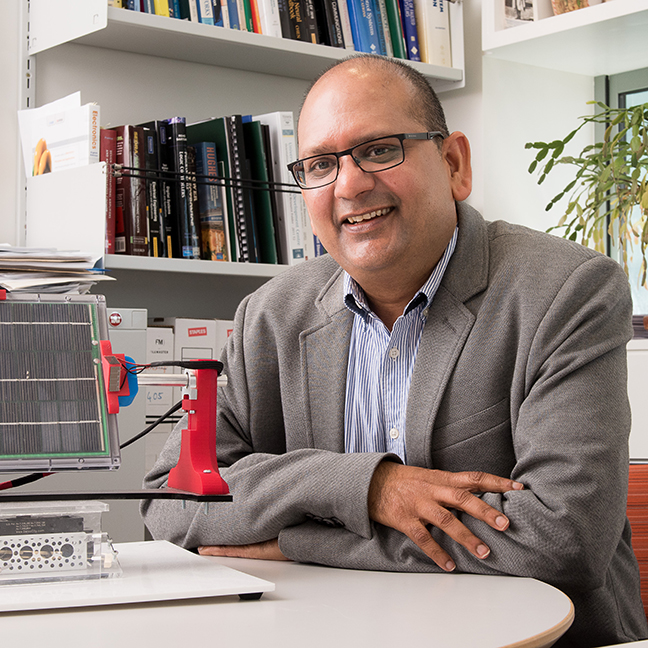
Deputy Head of School, Learning & Teaching
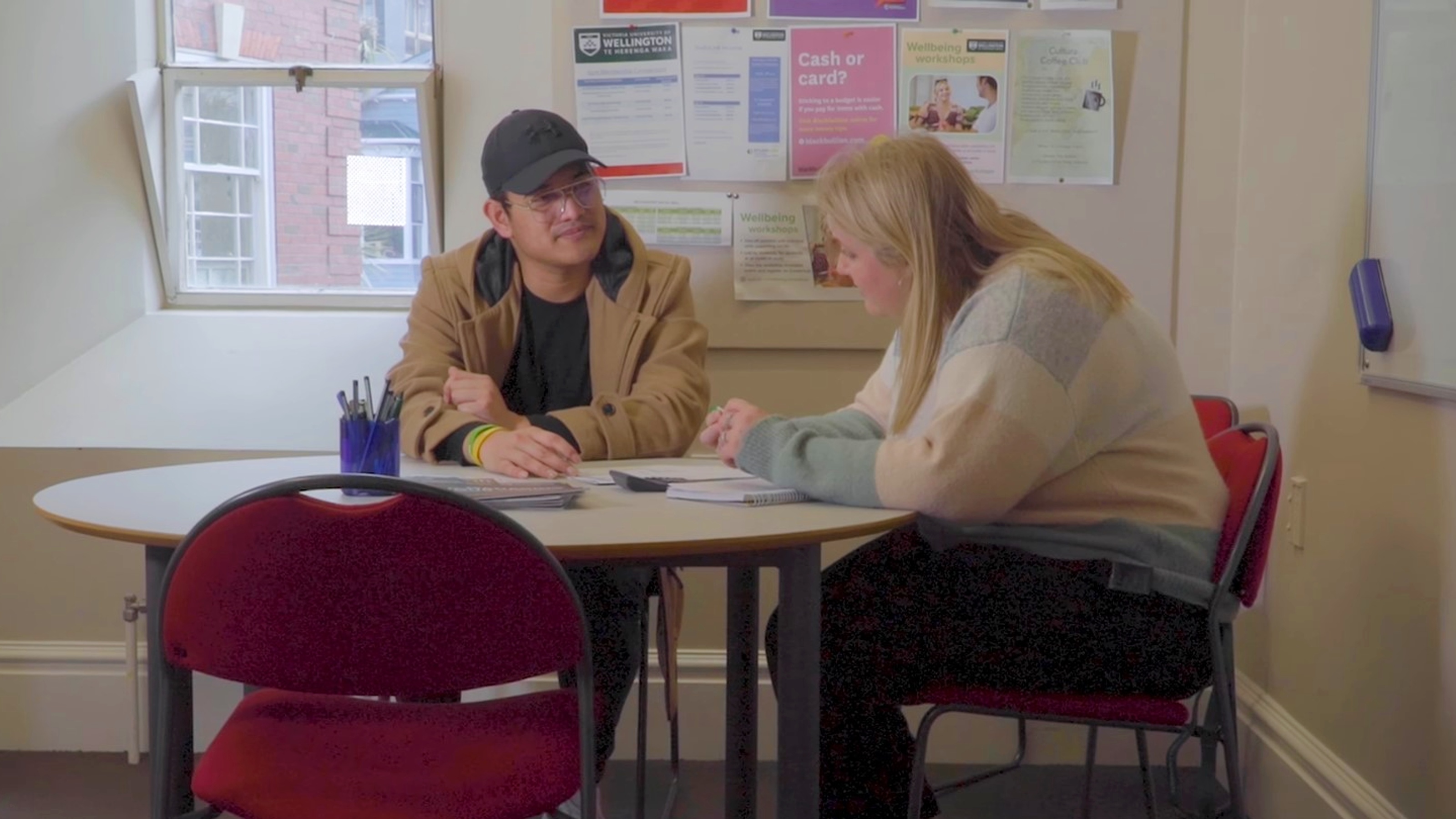
Get help to manage your finances
We can help you:
- budget your money
- manage your student loan or allowance
- work out your accommodation payment schedule.
If you’re facing financial difficulties, we can help you apply for the Hardship Fund.
You may be eligible for government or community support, too.
Apply for a New Zealand study visa
You’ll need to apply for a study visa if you plan to study with us as an international student.
You should apply for your visa after you’ve received your Offer of Place, and before you come to New Zealand.