

Shape wellbeing across Aotearoa
Build an advanced understanding of the intersections between the biological, psychological, social, environmental, and cultural aspects of health and wellbeing. Use the skills and knowledge you develop to promote physical and psychological wellbeing in diverse communities across Aotearoa New Zealand.
You’ll gain the skills for working effectively and safely with people and groups to improve their health and wellbeing, as well as an awareness of boundaries and ethics.
You’ll also build on your research skills and knowledge so that you can understand and critique evidence and implement evidence-based programmes and interventions.
Who can study for this qualification
You’ll need a Bachelor’s degree or graduate diploma in a Psychology discipline, with an average grade of at least B to apply.
Duration and workload
The Master of Health Psychology will take you two years of full-time study.
If you are studying full time, you can expect a workload of 40 to 45 hours a week for much of the year.
What you'll learn
Your study will cover Health Psychology fundamentals and research, including a 120-point thesis.
You'll also take your choice of courses from specialist areas, including:
- Architecture and Built Environments
- Criminology
- Educational Psychology
- Health
- Māori Studies
- Pacific Studies
- Psychology.
How you'll study
The 240-point MHlthPsyc includes both coursework and a research thesis. Studying full time, you’ll complete the MHlthPsyc in two years.
The MHlthPsyc has two parts.
Part 1
You'll study three core courses worth a total of 60 points, which cover:
- research methods
- health and wellbeing in context
- illness, diesease, and support.
You'll then study elective courses of your choice worth a total of 60 points.
You'll complete between six and eight courses in total for Part 1. How many courses you complete depends on which electives you choose.
Part 2
You'll complete a 120-point research thesis supervised by an academic staff member.
Part-time study options
Studying part time, you can complete the MHlthPsyc over a maximum of four years.
Our Postgraduate Health Psychology qualifications
We offer three Postgraduate Health Psychology qualifications. These are staircased so that courses completed for each qualification can count towards the next step.
The Master of Health Psychology provides the most comprehensive study as it includes coursework and a research thesis
The Postgraduate Diploma in Health Psychology has in-depth through coursework, but no research dissertation.
The Postgraduate Certificate in Health Psychology includes less coursework than the Diploma.
Qualification support and advice
We can help you match your interests and career goals with the right course of study.
If you’re a new student, talk to a Future Student Adviser through our enquiry form.
If you’re already studying with us, talk to Tītoko—Student Success.
For the research portion of your study, you’ll need a supervisor to help guide your research. Your programme coordinator will work with you to find the right person.

Entry requirements
Entry requirements for domestic students
- Requirements for students who completed university in:
If you live in New Zealand and are a citizen or permanent resident of New Zealand or Australia, you're considered a domestic student.
Some citizens of the Cook Islands, Niue, and Tokelau may automatically hold New Zealand citizenship.
Diplomatic residents living in New Zealand are also regarded as domestic students.
To be accepted into this qualification, you need:
1. (a) Before enrolment, a candidate for the MHlthPsyc degree shall have:
(i) an undergraduate qualification majoring in health psychology or equivalent, with an average grade of at least a B+; and
(ii) been accepted by the head of school as capable of proceeding with the proposed course of study.
(b) Requirement (a)(i) may be waived by the Associate Dean (Students) for a candidate who has had extensive practical, professional, or scholarly experience of an appropriate kind.
Qualification requirements
Excerpt from the regulations for the MHPsyc
2. (a) The course of study for the MHlthPsyc shall consist of courses worth at least 240 points, comprising:
Part 1: Health Psychology: Health and Wellbeing in Context (HPSY 501), Health Psychology: Illness, Disease and Support (HPSY 502), Research and Inquiry in Health Psychology (HPSY 504); 60 further points selected from the MHlthPsyc schedule and other approved 400- and 500-level courses in related subjects
Part 2: Thesis in Health Psychology (HPSY 591).
Note: In 2026 students may select from the following approved courses: 'Drugs': Critical Debates and Key Ideas (CRIM 420), CRIM 427, Culturally Centred Educational Psychology Practice in Aotearoa New Zealand (EPSY 512), Learning and Motivation (EPSY 531), Child and Adolescent Mental Health (EPSY 532), Exploration of Counselling Theory and Practice Issues (EPSY 535), Pae Ora - Māori Health and Wellbeing (HLWB 520), Health Promotion Theory and Practice (HLWB 525), Emerging Issues in Health Promotion (HLWB 526), Professional Skills and Cultural Safety in Health Psychology Practice (HPSY 503), Tā Te Māori Rangahau / Methodology of Māori Research (MAOR 408), Theory and Methods in Pacific Studies (PASI 401), The Psychology of Criminal Conduct 1: Basic Concepts in Criminal Justice and Crime (PSYC 412), Culture and Social Behaviour (PSYC 423), Special Topic: The Executive Brain: Networks of Control and Cognition (PSYC 449), Indigenous Psychology (PSYC 463).
(b) Entry to Part 2 requires the successful completion of Part 1 with an average grade of at least B+ and acceptance by the head of school.
(c) A candidate seeking to enrol in the PGDipHlthPsycPrac following completion of the MHlthPsyc must include Professional Skills and Cultural Safety in Health Psychology Practice (HPSY 503) in their course of study.
(d) The head of school (or their delegate) may exempt a student from some or all of Part 1 where the student has mastered relevant material through prior study with an equivalent level of performance to that required in (b).
3. A candidate shall normally be enrolled for at least four trimesters and shall complete the degree within four years of first enrolling in it. The associate dean may extend the maximum period in special cases.
Future careers
As a graduate of the Master of Health Psychology, you’ll be equipped for diverse roles in the health sector, including in:
- health promotion
- health psychology
- health policy.
More career information
Find out more about careers in Health Psychology.
The government careers website, Tahatū, offers more information about jobs, salaries, and current opportunities.
Scholarships
You may be able to get a scholarship to help fund your studies.
We have postgraduate and doctoral scholarships available, as well as specialised scholarships for different groups and subject areas.
Scholarships for the Psychology
-
Applicants must be full-time post graduate student studying at Victoria University of Wellington. This scholarship is open to students from any course of study which focuses on social justice but students studying Criminology, Psychology, Sociology, Law and Restorative Justice are encouraged to apply. Students holding a full three-year PhD scholarship are not eligible to apply.
-
The VSPS constitution states "The Psychology Society offers a range of events that enrich the study of psychology, bring together students at all levels of study, and foster a relationship between students and academic staff outside the classrooms".
Scholarships for international students
We are currently offering a NZ$10,000 VUW Postgraduate International Scholarship to all eligible international students enrolling in a Master’s degree or Postgraduate Diploma programme.
Your scholarship will be processed automatically when your programme application is accepted, and the amount will be deducted from your tuition fees.
Other scholarships
We also have postgraduate and doctoral scholarships available, as well as specialised scholarships for different groups and subject areas.
Scholarships for the Psychology
-
The VSPS constitution states "The Psychology Society offers a range of events that enrich the study of psychology, bring together students at all levels of study, and foster a relationship between students and academic staff outside the classrooms".
Join our postgraduate community
The Postgraduate Students’ Association provides a voice for you on campus and information on studying at Te Herenga Waka—Victoria University of Wellington.
Postgraduate Students’ Association
MAI ki Pōneke
MAI ki Pōneke are part of an international network of Māori and Indigenous postgraduate students. They provide advice, support, and information to Indigenous postgraduate students of all levels, as well as those thinking about enrolling.
Pathway to becoming a registered psychologist
If you achieve at least a B+ average in your Master of Health Psychology, you can to apply to study for the Postgraduate Diploma in Health Psychology Practice. This one-year programme includes 1,500 hours of internship placement.
Completing the Postgraduate Diploma in Health Psychology Practice after your Master's gives you the training required to begin your registration process with the New Zealand Psychologists Board—the final step in becoming a registered health psychologist.
Further research for a PhD or Doctor of Health
If you do well in your Master’s degree and show an aptitude for advanced research, you’ll be able to apply to do a PhD or professional doctorate in Health.
You’ll carry out original and sustained research under supervision from world-class academics in the School of Health.
Topics you could explore include:
- health promotion
- lifestyles and behaviours linked to wellbeing
- experiences of illness and disease
- managing long-term conditions
- relationships with health professionals
- professional psychology practice.
You’ll contribute to much-needed research, helping to reduce disparities in health outcomes and care.
Academic staff research areas
Meet some of our academic staff and see their areas of research.
Octavia Calder-Dawe
Senior Lecturer in Health Psychology
Terry Fleming
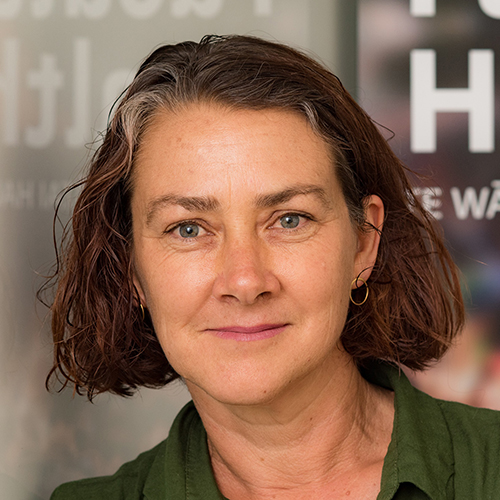
Associate Professor
Gloria Fraser
Senior Lecturer in Health Psychology
Ally Gibson
Deputy Head of School
Katie Graham
Lecturer in Health Psychology
Chloe Parton
Senior Lecturer in Health Psychology
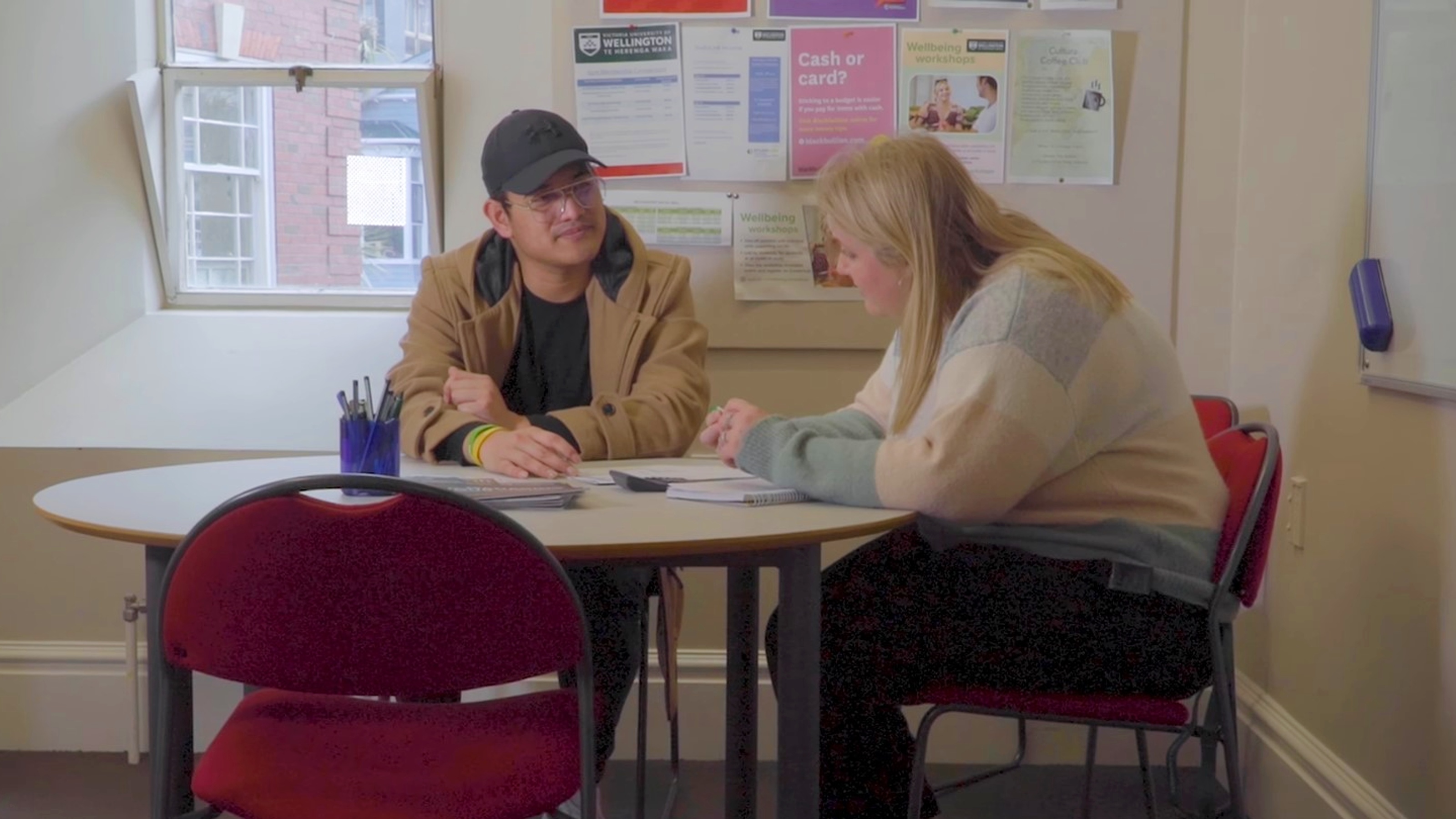
Get help to manage your finances
We can help you:
- budget your money
- manage your student loan or allowance
- work out your accommodation payment schedule.
If you’re facing financial difficulties, we can help you apply for the Hardship Fund.
You may be eligible for government or community support, too.
Apply for a New Zealand study visa
You’ll need to apply for a study visa if you plan to study with us as an international student.
You should apply for your visa after you’ve received your Offer of Place, and before you come to New Zealand.