

Become a leader in promoting physical activity
Understand how physical activity, exercise, fitness, and sport interconnect in Aotearoa and globally. Explore factors that enable equity in physical activity participation, and learn how to inclusively promote physical activity for all. By using mātauranga Māori alongside traditional theories of physical activity promotion, you’ll learn to plan effective initiatives that address individual, whānau, cultural, and societal influences on physical activity participation, hauora, and wellbeing.
Take your career in active recreation, play, physical activity, or sport for development to the next level, or build on your degree in another area to launch your career in promoting physical activity.
The Master of Physical Activity and Hauora is a unique programme developed in consultation with Sport New Zealand Ihi Aotearoa. It aligns closely with the Health Promotion Forum of New Zealand Ngā Kaiakatanga Hauora (Health Promotion) objectives.
Who can study for this qualification
This programme fits you if you’re a physical activity, sport, or health practitioner looking to develop advanced knowledge and skills. It’s also useful if you’re a graduate looking for a solid foundation to move into a career in the physical activity sector.
To enrol, you’ll need a Bachelor’s degree (or equivalent qualification) with at least a B average.
If you don’t meet the degree requirements, you may still be able to enrol in one of our programmes if you have extensive practical or professional experience. Get in touch with us to discuss your options.
What you’ll learn
Your study falls into three areas.
Core courses
Each of the three qualifications includes core courses in physical activity promotion and physical activity and the environment, along with a selected course aligned with your area of interest.
Building blocks
For the PGDipPAH (and towards a Master’s), you’ll build on this core learning with two courses in advanced health promotion issues, theory, and practice, as well as a foundational research methods course or evaluation methods course.
Research
To complete a Master’s degree, you’ll undertake a research project in a topic that aligns with your professional interests.
How you’ll study
You’ll need to attend two in-person block courses for each course you’re taking. The block courses run for 2–3 days and are held at our Pipitea Campus in Wellington. The rest of your learning is online.
Part-time study options
For each course you take, you’ll need to allow around 120 hours of study. This works out to about 10 hours per week. Check out the 2024 sample timetable to get an idea of how your year will look.
Employer support
The MPAH is designed so you can continue to work while you study. If you are already working in health and physical activity promotion, talk to your employer about how they may be able to support you. The MPAH overview pamphlet has more details, including information you can share with your employer on the benefits to them of supporting your study.
Entry requirements
Entry requirements for domestic students
- Requirements for students who completed university in:
If you live in New Zealand and are a citizen or permanent resident of New Zealand or Australia, you're considered a domestic student.
Some citizens of the Cook Islands, Niue, and Tokelau may automatically hold New Zealand citizenship.
Diplomatic residents living in New Zealand are also regarded as domestic students.
To be accepted into this qualification, you need:
1. (a) Before enrolment, a candidate for the MPAH degree shall have:
(i) completed a Bachelor’s degree in a relevant discipline with a B average; and
(ii) been accepted by the head of school as capable of proceeding with the proposed course of study.
(b) Requirement (a)(i) may be waived by the Associate Dean (Students) for a candidate who has extensive practical, professional, or scholarly experience that provides equivalent preparation.
Entry requirements
Your acceptance into this programme is based on your previous qualifications and experience.
Qualification requirements
Excerpt from the regulations for the MPAH
2. (a) The course of study for the MPAH shall be a coherent programme of study of at least 180 points approved by the head of school comprising:
Part 1:
(i) Health Promotion Theory and Practice (HLWB 525), Emerging Issues in Health Promotion (HLWB 526), Ngā Take o Kori Tinana me te Hauora / Emerging Issues in Physical Activity and Wellbeing (PAAH 501), Physical Activity and the Environment / Kori Tinana me te Taiao (PAAH 502)
(ii) Research Methods (HLTH 521) or 528
(iii) 15 further 400- or 500-level points from MPAH and MHlth schedules, or other approved courses
Part 2: One of (Kaupapa Rangahau / Physical Activity Research Project (PAAH 570), Kaupapa Rangahau / Active Recreation Research Project (PAAH 571), Kaupapa Rangahau / Play Research Project (PAAH 572), Kaupapa Rangahau / Sport for Development Research Project (PAAH 574)).
(b) Entry to Part 2 requires the completion of Part 1, with an average grade of at least B and acceptance by the head of school.
(c) A candidate who successfully completes 60 or 120 points from courses specified for the MPAH will be eligible to be awarded a PGCertPAH or PGDipPAH respectively, in accordance with the PGCertPAH and PGDipPAH regulations.
(d) At the discretion of the Associate Dean, a candidate who holds a PGCertPAH or a PGDipPAH with an average grade of at least B may subsequently cross-credit those courses to the PGDipPAH or MPAH.
3. A candidate shall normally be enrolled for at least three trimesters and shall complete the degree within four years of first enrolling in it. The Associate Dean (Students) may extend the maximum period in special cases.
Subjects in the MPAH
Majors are the subjects you focus your degree on.
Explore more degree options by adding an optional second major or minor. How our flexible degrees work.
Subjects and requirements
Explore your major options below.
MPAH subjects
Active Recreation
Physical Activity and Public Health
Sport for Development
No matching majors found.
Qualification support and advice
We can help you match your interests and career goals with the right course of study.
If you’re a new student, talk to a Future Student Adviser through our enquiry form.
If you’re already studying with us, talk to Tītoko—Student Success.
For the research portion of your study, you’ll need a supervisor to help guide your research. Your programme coordinator will work with you to find the right person.

Why Wellington
Wellington’s culture is all about active, healthy living. It’s walkable environment, stunning natural surroundings, and strong community focus make it an ideal place to study how physical activity supports wellbeing. It’s a great opportunity to explore the links between movement, wellbeing, and equity.
New Zealand’s capital also connects you directly with the government, health agencies, and NGOs that manage health issues and create health policy—so it’s an ideal place to learn how physical activity, as it relates to health policy, can benefit New Zealanders and people around the world.
Future careers
If you are new to the field, you could go into a role in government or community organisations, such as:
- community or play development officer
- health promoter or recreation coordinator
- policy analyst or workplace wellbeing adviser.
If you are already working in physical activity promotion, your postgraduate qualification will help you move into more senior roles, like:
- programme designer
- project manager
- senior policy analyst.
Organisations you could work for
You could find work with:
- central government agencies like Ministry of Health or Oranga Tamariki—Ministry for Children
- Ihi Aotearoa Sport New Zealand
- schools.
Scholarships
You may be able to get a scholarship to help fund your studies.
We have postgraduate and doctoral scholarships available, as well as specialised scholarships for different groups and subject areas. If nothing fits right now, something may suit you later.
We encourage you to apply. It’s a straightforward process, and it could make a real difference.
Scholarships in Health
There could be a scholarship for your qualification, subject area, background, or situation.
Scholarships for international students
We are currently offering a NZ$10,000 VUW Postgraduate International Scholarship to all eligible international students enrolling in a Master’s degree or Postgraduate Diploma programme.
Your scholarship will be processed automatically when your programme application is accepted, and the amount will be deducted from your tuition fees.
Other scholarships
We also have postgraduate and doctoral scholarships available, as well as specialised scholarships for different groups and subject areas. If nothing fits right now, something may suit you later.
We encourage you to apply. It’s a straightforward process, and it could make a real difference.
Scholarships in Health
There could be a scholarship for your qualification, subject area, background, or situation.
Join our postgraduate community
The Postgraduate Students’ Association provides a voice for you on campus and information on studying at Te Herenga Waka—Victoria University of Wellington.
Postgraduate Students’ Association
MAI ki Pōneke
MAI ki Pōneke are part of an international network of Māori and Indigenous postgraduate students. They provide advice, support, and information to Indigenous postgraduate students of all levels, as well as those thinking about enrolling.
A family of related qualifications
We offer three qualifications in postgraduate Physical Activity and Hauora. These are ‘staircased’, so that courses completed for a smaller qualification can count towards a larger one.
- Master of Physical Activity and Hauora (MPAH)—180 points
- Postgraduate Diploma in Physical Activity and Hauora (PGDipPAH)—120 points
- Postgraduate Certificate in Physical Activity and Hauora (PGCertPAH)—60 points
Choose the qualification with the time commitment and career benefits that suit you.
If you start with the Certificate or Diploma, you can apply to transfer to the Master’s degree at a later stage.
If you’re working towards the Master’s but can’t complete it for some reason, you may have enough points to be awarded the Certificate or Diploma.
Find out more about our study options in this subject.
Further research or study
If you do well in your Master’s degree, and show an aptitude for advanced research, you’ll be able to apply to study for a PhD in Physical Activity and Public Health.
You’ll carry out original and sustained research under supervision from world-class academics in the Faculty of Health.
As a PhD candidate, you’ll also be supported by the Faculty of Graduate Research.

Academic staff research areas
Lara Andrews

Lecturer (Teaching) in Physical Activity & Wellbeing
Chulainn Mabbett-Sowerby

Lecturer (Teaching) in Physical Activity and Wellbeing
Justin Richards
Associate Professor in Physical Activity and Wellbeing
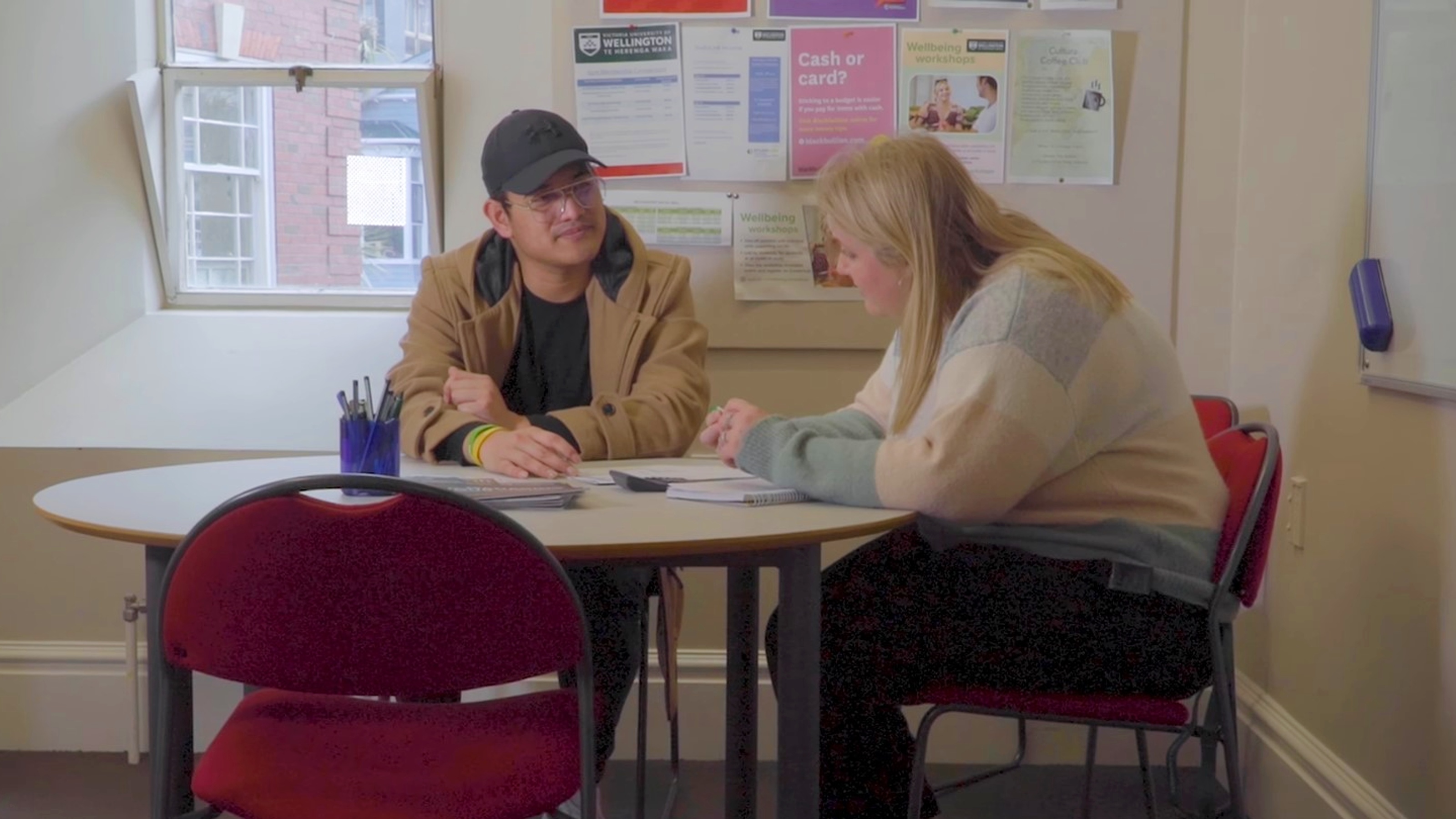
Get help to manage your finances
We can help you:
- budget your money
- manage your student loan or allowance
- work out your accommodation payment schedule.
If you’re facing financial difficulties, we can help you apply for the Hardship Fund.
You may be eligible for government or community support, too.
Apply for a New Zealand study visa
You’ll need to apply for a study visa if you plan to study with us as an international student.
You should apply for your visa after you’ve received your Offer of Place, and before you come to New Zealand.