

Discover why and how migration happens
Migration is increasingly a priority for governments and organisations around the world. Learn about the factors that influence migration, and gain an in-depth understanding of the challenges and opportunities it creates.
By drawing on disciplines like political science, geography, and history, you'll discover what drives migration, and the consequences of forced and voluntary migration.
Depending on the qualification you choose, you’ll have the freedom to examine a variety of niche topics topics, such as the refugee crisis in Europe, labour migration, or immigration as an election issue.
Choose your study path
We offer three study paths in Postgraduate Migration Studies. Choose the one that suits your career goals, eligibility, time commitments, and financial situation.
In all study paths:
- you can study full time, or part time if you’re a domestic student
- you’ll see how theories and examples are put into practice, and earn practical, applicable skills that give you options in your career.
These qualifications are ‘staircased’—they allow movement in both directions. If you begin by enrolling in the Certificate or Diploma programme, you may be able to continue on to complete a Master's degree.
Or if you enrol in the Master's but can't finish it, you may have completed enough courses to graduate with the Certificate or Diploma.
Master of Migration Studies
This 180-point Master’s degree takes three trimesters of full-time study. It combines coursework with a work placement or a practical translation project to give you a comprehensive grounding in the theory and practice of Migration.
It’s also a pathway to PhD study.
Postgraduate Diploma in Migration Studies
This two-trimester, 120-point Postgraduate Diploma is taught through coursework only. It’s a good option if you don’t have time for the full Master’s degree. You’ll learn foundational concepts in Migration Studies and choose from a variety of courses to specialise within it.
Postgraduate Certificate in Migration Studies
A short, 60-point qualification that you can complete over one trimester full time. Upskill quickly while you work, or use it to explore postgraduate study before you commit to the full Master’s degree.
Qualification support and advice
We can help you match your interests and career goals with the right course of study.
If you’re a new student, talk to a Future Student Adviser through our enquiry form.
If you’re already studying with us, talk to Tītoko—Student Success.
For the research portion of your study, you’ll need a supervisor to help guide your research. Your programme coordinator will work with you to find the right person.

Study options
Find out how you can study Postgraduate Migration Studies at Te Herenga Waka—Victoria University of Wellington.
Why Wellington
By studying in Wellington, you'll be able to combine your academic study with direct observations of how New Zealand’s migration policy is made and how it translates in practice. You’ll have access to access to national-level policy debates, parliamentary processes, and the concentrated expertise of government migration specialists.
You’ll also be able to take advantage of our links with national organisations that deal with migration, such as Immigration New Zealand and New Zealand Red Cross.
Globally ranked
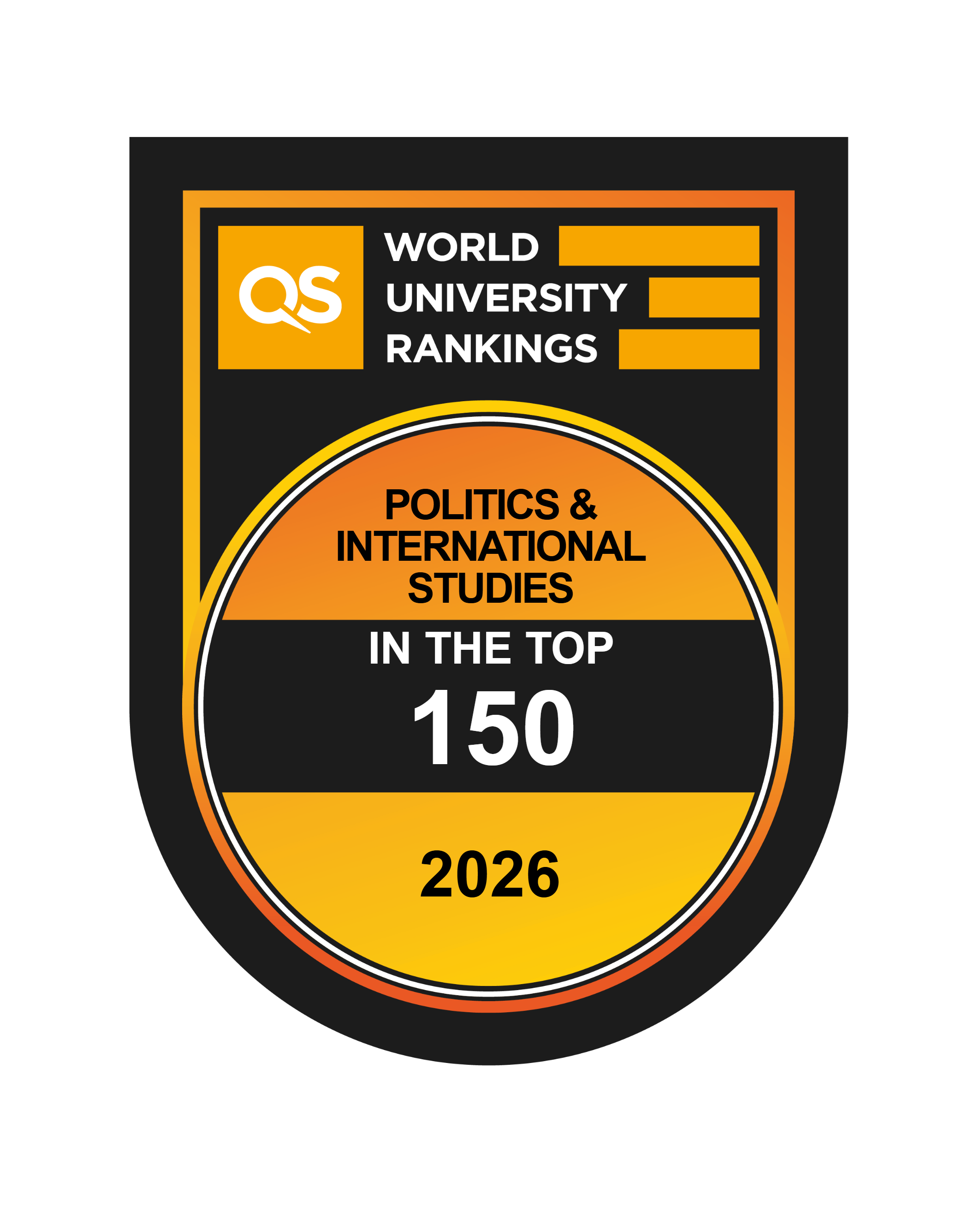
Our Political Science and International Relations subjects are ranked in the top 150 worldwide in the QS World University Rankings 2026.
The QS World University Rankings is an annual global publication that gives overall rankings and subject rankings for more than 1,500 universities worldwide.
Future careers
Your degree gives you a deep knowledge of migration issues, and in-demand research, communication, and critical analysis skills that are valuable for careers in:
- migration-related advocacy
- refugee resettlement
- policy analysis
- research
- media
- international development
- community development.
By combining Migration Studies with another qualification (in a subject like law), you might work in immigration or labour law, and find roles in NGOs, non-profits and government agencies. You might even seek specialist advocacy roles with organisations like Amnesty International or Human Rights Watch.
The interdisciplinary nature of this programme is also excellent grounding for further academic study at postgraduate level, including for a PhD.
More career information
Find out more about careers.
The government careers website, Tahatū, offers more information about jobs, salaries, and current opportunities.
Scholarships
You may be able to get a scholarship to help fund your studies.
We have postgraduate and doctoral scholarships available, as well as specialised scholarships for different groups and subject areas. If nothing fits right now, something may suit you later.
We encourage you to apply. It's a straightforward process, and it could make a real difference.
Scholarships for Humanities and Social Sciences
-
This scholarship is offered to women graduates intending to study at Victoria University of Wellington in a course leading to a higher degree, which includes research in some field related to the general purpose of teaching or promoting the knowledge of home or domestic science among the women of New Zealand (e.g. Sociology, Psychology, Education or Science).
-
This scholarship has been established in honour of Sir Lloyd Geering to support students undertaking postgraduate study in Religious Studies. Sir Lloyd was the founding Professor of Religious Studies at Victoria University of Wellington in 1971. He contributed greatly to the study of religion in New Zealand and to thinking about transformations of religion in modernity. The horizons of his...
-
The Jack Pearce Research Scholarship in History (the "scholarship") was established through the Victoria University of Wellington Foundation and offers students the opportunity to gain postgraduate experience in the area of History.
Scholarships for international students
We are currently offering a NZ$10,000 VUW Postgraduate International Scholarship to all eligible international students enrolling in a Master’s degree or Postgraduate Diploma programme.
Your scholarship will be processed automatically when your programme application is accepted, and the amount will be deducted from your tuition fees.
Other scholarships
We also have postgraduate and doctoral scholarships available, as well as specialised scholarships for different groups and subject areas. If nothing fits right now, something may suit you later.
We encourage you to apply. It's a straightforward process, and it could make a real difference.
Scholarships for Humanities and Social Sciences
-
This scholarship is offered to women graduates intending to study at Victoria University of Wellington in a course leading to a higher degree, which includes research in some field related to the general purpose of teaching or promoting the knowledge of home or domestic science among the women of New Zealand (e.g. Sociology, Psychology, Education or Science).
-
This scholarship has been established in honour of Sir Lloyd Geering to support students undertaking postgraduate study in Religious Studies. Sir Lloyd was the founding Professor of Religious Studies at Victoria University of Wellington in 1971. He contributed greatly to the study of religion in New Zealand and to thinking about transformations of religion in modernity. The horizons of his...
-
The Jack Pearce Research Scholarship in History (the "scholarship") was established through the Victoria University of Wellington Foundation and offers students the opportunity to gain postgraduate experience in the area of History.
Join our postgraduate community
The Postgraduate Students’ Association provides a voice for you on campus and information on studying at Te Herenga Waka—Victoria University of Wellington.
Postgraduate Students’ Association
MAI ki Pōneke
MAI ki Pōneke are part of an international network of Māori and Indigenous postgraduate students. They provide advice, support, and information to Indigenous postgraduate students of all levels, as well as those thinking about enrolling.
Academic staff research areas
Ayca Arkilic

Senior Lecturer
Fiona Barker

Head of School
Steve Behrendt
Associate Professor
Brigitte Bonisch-Brednich
Council Member
Stephen Epstein

Head of School
April Henderson

Presenter
Sara Kindon

Professor
Kate McMillan

Associate Professor
Julija Sardelic

Senior Lecturer
Get help to manage your finances
We can help you:
- budget your money
- manage your student loan or allowance
- work out your accommodation payment schedule.
If you’re facing financial difficulties, we can help you apply for the Hardship Fund.
You may be eligible for government or community support, too.

Apply for a New Zealand study visa
You’ll need to apply for a study visa if you plan to study with us as an international student.
You should apply for your visa after you’ve received your Offer of Place, and before you come to New Zealand.