

Connect people with complex information
Sharpen your science communication skills with a postgraduate qualification. Combine communications skills with technical expertise and learn to communicate scientific findings and advice to audiences effectively.
You'll learn about the current issues facing Aotearoa New Zealand’s science communication community. Explore communicating with Māori audiences, the ethics of science communication, and the importance of engaging media and policymakers in science issues.
A postgraduate qualification in Science Communication lets you specialise, change your study area, or deepen your expertise with a Master’s degree. Understand how science information is used by others—and creatively apply these theories and approaches in your own work.
Choose your study path
The School of Science in Society offers several postgraduate options for studying Science Communication—you don't need to have studied science before.
You can study a few courses in a new area to broaden your knowledge and skillset, prepare for a Master’s, or learn the latest in the industry.
Some postgraduate Science Communication courses can be taken as electives through other programmes, or as one-off courses for professional development.
Browse postgraduate Science in Society courses
Choose between two Master’s degrees
You can study Science Communication in two Master’s programmes.
- The Master of Science in Society develops your practical skills in science communication, critical thinking about the sciences, and broader understanding of science in its social context.
- The Master of Communication allows you to focus on the theory and practice of communication, while specialising in Science Communication.
Qualification support and advice
We can help you match your interests and career goals with the right course of study.
If you’re a new student, talk to a Future Student Adviser through our enquiry form.
If you’re already studying with us, talk to Tītoko—Student Success.
For the research portion of your study, you’ll need a supervisor to help guide your research. Your programme coordinator will work with you to find the right person.

Study options
Find out how you can study Science Communication at Te Herenga Waka—Victoria University of Wellington.
Why Wellington
Wellington is the centre of media, government, and policymaking in New Zealand. Its thriving scientific and cultural communities make it an ideal city in which to learn about science in society.
Why Wellington [internal link]
Future careers
Use your Science Communication skills in a variety of areas. Work for employers such as:
- media companies
- design or technology companies
- government or local councils
- non-governmental organisations (NGOs)
- environmental agencies and research institutes.
Find out more about Science Communication roles and career pathways, where graduates work, and how to build skills and connections in your study area on our 'What can I do with my degree?' page.
More career information
Find out more about careers in Science Communication.
The government careers website, Tahatū, offers more information about jobs, salaries, and current opportunities.
Scholarships
You may be able to get a scholarship to help fund your studies.
We have postgraduate and doctoral scholarships available, as well as specialised scholarships for different groups and subject areas. If nothing fits right now, something may suit you later.
We encourage you to apply. It's a straightforward process, and it could make a real difference.
Scholarships for Science Communication
-
Applicants must be female, New Zealand or Canadian citizens studying full time at 300 level BSc (Hons) and Master's by Coursework in any area of Science, including Architecture and Design at Te Herenga Waka—Victoria University of Wellington.
Scholarships for international students
We are currently offering a NZ$10,000 VUW Postgraduate International Scholarship to all eligible international students enrolling in a Master’s degree or Postgraduate Diploma programme.
Your scholarship will be processed automatically when your programme application is accepted, and the amount will be deducted from your tuition fees. If nothing fits right now, something may suit you later.
We encourage you to apply. It's a straightforward process, and it could make a real difference.
Other scholarships
We also have postgraduate and doctoral scholarships available, as well as specialised scholarships for different groups and subject areas. If nothing fits right now, something may suit you later.
We encourage you to apply. It's a straightforward process, and it could make a real difference.
Scholarships for Science Communication
-
Applicants must be female, New Zealand or Canadian citizens studying full time at 300 level BSc (Hons) and Master's by Coursework in any area of Science, including Architecture and Design at Te Herenga Waka—Victoria University of Wellington.
Join our postgraduate community
The Postgraduate Students’ Association provides a voice for you on campus and information on studying at Te Herenga Waka—Victoria University of Wellington.
Postgraduate Students’ Association
MAI ki Pōneke
MAI ki Pōneke are part of an international network of Māori and Indigenous postgraduate students. They provide advice, support, and information to Indigenous postgraduate students of all levels, as well as those thinking about enrolling.
Research areas
Depending on the postgraduate qualification you study, you could have the opportunity to research an area of Science Communication in depth.
Find out more about Science Communication research and what current students are exploring on the School of Science in Society's research page.
Industry connections
Take advantage of the School of Science in Society’s strong and active connections with a range of practitioners and institutions, including:
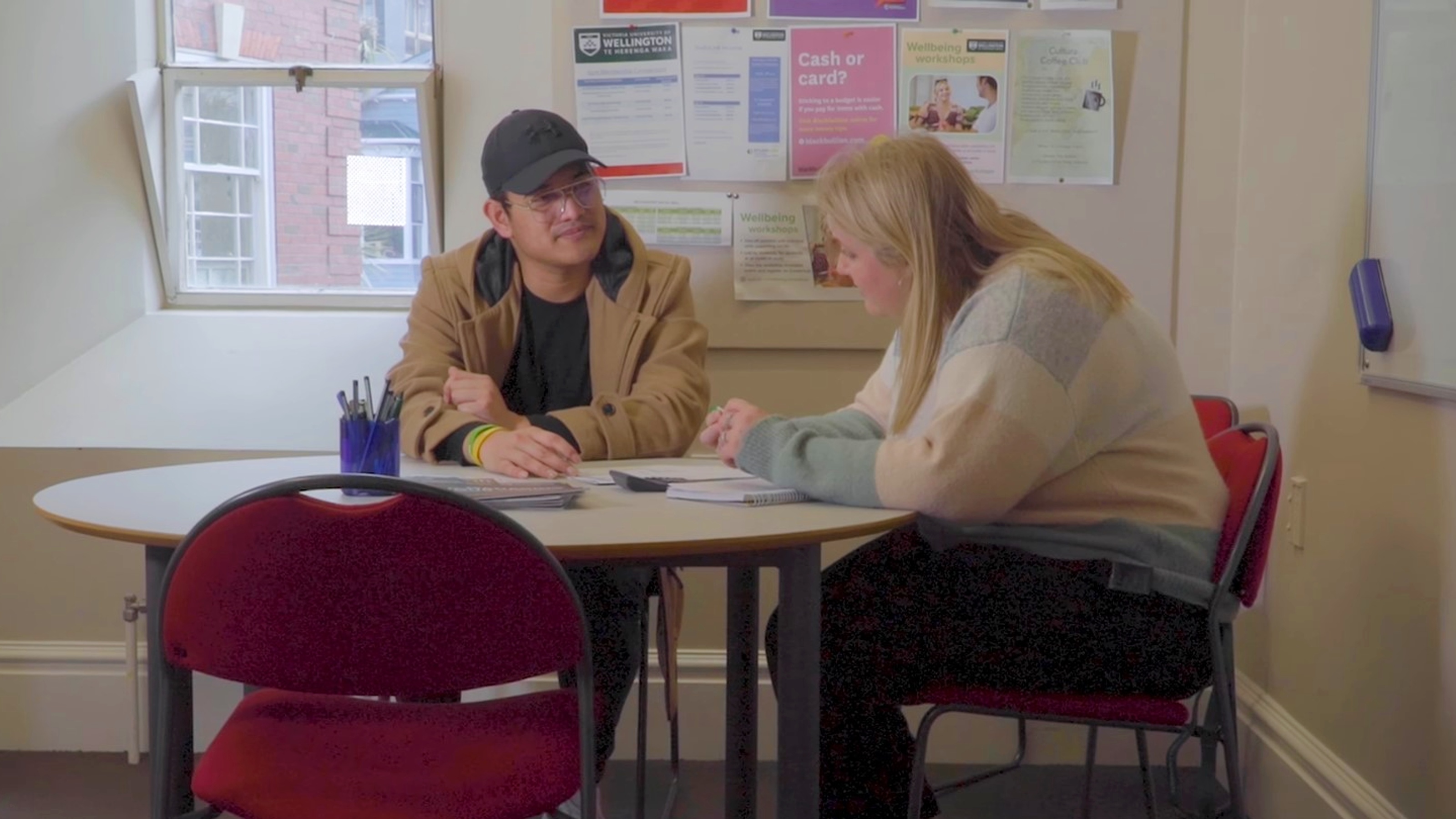
Get help to manage your finances
We can help you:
- budget your money
- manage your student loan or allowance
- work out your accommodation payment schedule.
If you’re facing financial difficulties, we can help you apply for the Hardship Fund.
You may be eligible for government or community support, too.
Apply for a New Zealand study visa
You’ll need to apply for a study visa if you plan to study with us as an international student.
You should apply for your visa after you’ve received your Offer of Place, and before you come to New Zealand.