
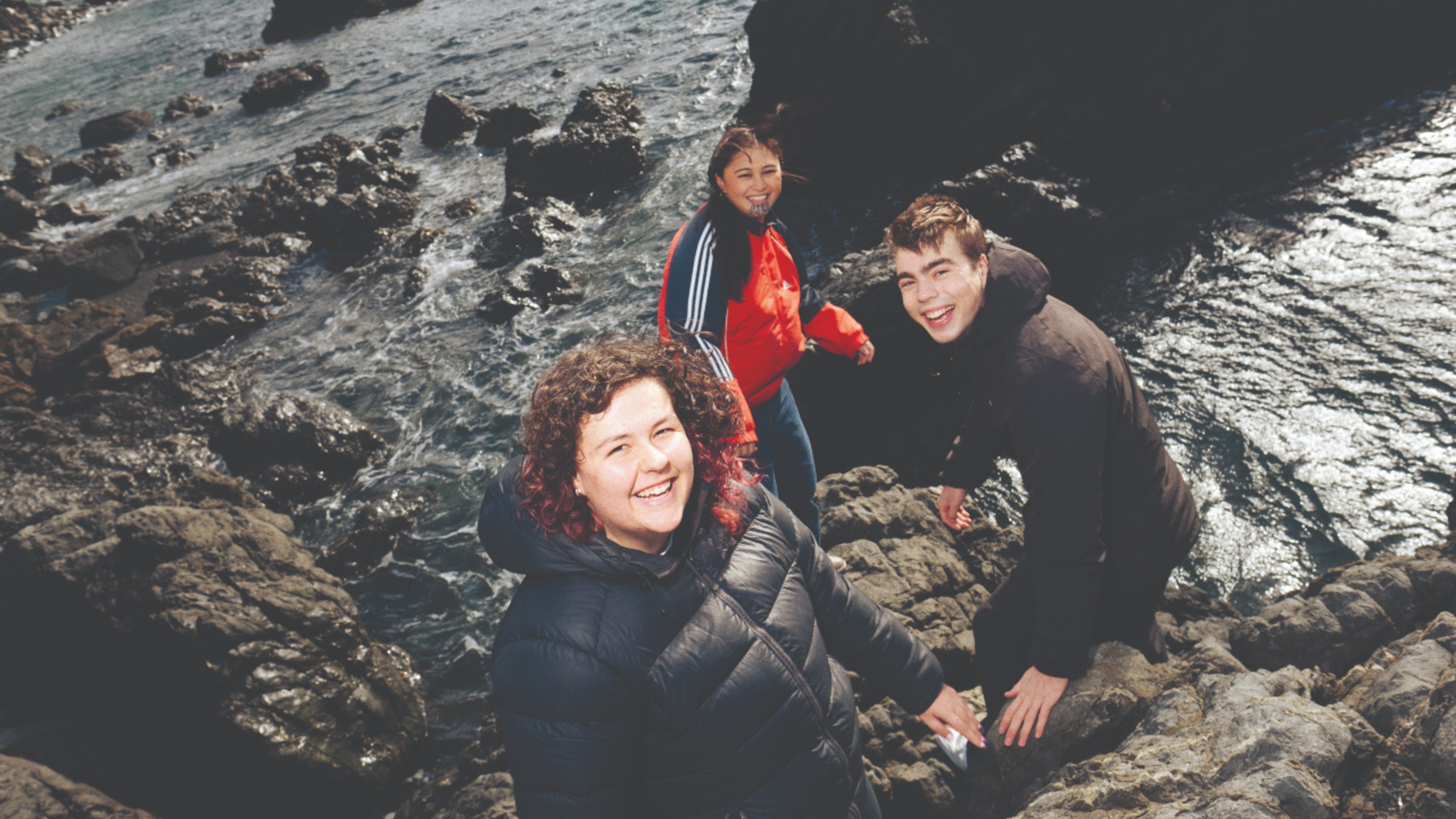
Biodiversity, ecology, and conservation in a changing world
Delve into microbial or plant ecology, conservation, animal ecology and behaviour, and evolution. There is an urgent worldwide effort to research and address the problems created by human activities affecting the survival of many species.
Explore topics such as the measurement and analysis of biological diversity, or the physical and biological processes in ecology and population genetics using molecular biology tools. Or, focus on how polluted waterways can affect the environment, examine soil salinisation and ocean acidification, or analyse rising UV and carbon dioxide levels and changes in our climate.
Taught by the School of Biological Sciences, you'll study at the number one ranked tertiary institution in New Zealand for overall research quality in ecology.
Choose your study path
Choose which Postgraduate Ecology and Biodiversity qualification best suits your career goals, time commitments, and eligibility.
Postgraduate study pathways
Postgraduate study gives you the flexibility to focus on either coursework or research, depending on your goals and interests.
When you study by coursework, you'll learn in a structured way through lectures, tutorials, assignments, and exams. When you do a research degree, you'll do independent research while working closely with an academic supervisor.
Focus on coursework
- Graduate Certificate in Science
- Graduate Diploma in Science
- Postgraduate Certificate in Science
- Postgraduate Diploma in Science
Coursework and research
- Bachelor of Science with Honours
- Master of Science (coursework)
Focus on research
- Master of Science (thesis)
- Doctor of Philosophy (PhD)
Choose the right qualification for your needs
Here's some more guidance on the entry requirements for each postgraduate qualification to help your decision
PhD and Master's degrees
- If you want to do a PhD, you need a relevant Honours or Master's degree with at least a B+ average. You also need to find an academic staff member to supervise your research project.
- To enrol in a Master's programme, you need a relevant undergraduate degree with a B+ average, and the agreement of an academic staff member to supervise their research project.
If you don't meet the stated entry requirements
If you don’t meet the B+ average requirement, you still have options.
- If you’re undergraduate degree is in Ecology and Biodiversity or a related field (like Zoology or Botany, for example), consider a Postgraduate Certificate as a pathway into further postgraduate study.
- If your degree is in an unrelated area, consider a Graduate Certificate or Graduate Diploma.
Qualification support and advice
We can help you match your interests and career goals with the right course of study.
If you’re a new student, talk to a Future Student Adviser through our enquiry form.
If you’re already studying with us, talk to Tītoko—Student Success.
For the research portion of your study, you’ll need a supervisor to help guide your research. Your programme coordinator will work with you to find the right person.

Study options
Find out how you can study postgraduate Ecology and Biodiversity at Te Herenga Waka—Victoria University of Wellington.
Why Wellington
Wellington has the highest concentration of scientists and science organisations in Aotearoa New Zealand.
Your teachers are active scientists and world experts in areas such green energy, geo-hazards, global warming, space science, human geography, volcanology, artificial intelligence, drug development, and viral diseases.
Affiliated centres and institutes
Major research centres and institutes are affiliated with our Faculty of Science and Engineering, including:

Future careers
The skills and knowledge you gain with postgraduate study in Ecology and Biodiversity could lead to a job with a:
- government agency
- city, regional, or district council
- consultancy firm carrying out contract ecological assessments
- non-government agency
- not-for-profit organisation.
More career information
Find out more about careers in Ecology and Biodiversity, including jobs you could do, potential employers, where graduates work, and how to build relevant skills, experience, and career connections.
The government careers website, Tahatū, offers more information about jobs, salaries, and current opportunities.
Scholarships
You may be able to get a scholarship to help fund your studies.
We have postgraduate and doctoral scholarships available, as well as specialised scholarships for different groups and subject areas. If nothing fits right now, something may suit you later.
We encourage you to apply. It's a straightforward process, and it could make a real difference.
Summer scholarships
There are several some scholarships available in most years. These give you the opportunity to gain experience in research—with the added bonus of paid work over the summer trimester.
Each scholarship gives you experience working with established researchers on a specified project and an insight into what studying for a research degree entails.
Scholarships for Postgraduate Ecology and Biodiversity
-
This Scholarship was established in 2025 to honour Professor Margaret Hyland who held the role of Deputy Vice-Chancellor Research at Victoria University of Wellington from 2018 to 2025.
-
Applicants must be of Pacific descent, be enrolled, or intending to enrol, in undergraduate or postgraduate studies, majoring in one or more of the following areas: Climate Change Science and Policy, Conservation Biology, Ecological Restoration, Ecology and Biodiversity, Environmental Science, Environmental Studies, Marine Biology, or Marine Conservation, and have a minimum GPA of GPA of 6.5. Applicants may be studying...
-
The fund, which was established at the time of the renovation of the C3 lecture theatre, is to assist a second-year student from any faculty in their studies at Te Herenga Waka—Victoria University of Wellington
Scholarships for international students
We are currently offering a NZ$10,000 VUW Postgraduate International Scholarship to all eligible international students enrolling in a Master’s degree or Postgraduate Diploma programme.
Your scholarship will be processed automatically when your programme application is accepted, and the amount will be deducted from your tuition fees.
Other scholarships
We also have postgraduate and doctoral scholarships available, as well as specialised scholarships for different groups and subject areas. If nothing fits right now, something may suit you later.
We encourage you to apply. It's a straightforward process, and it could make a real difference.
Scholarships for Postgraduate Ecology and Biodiversity
-
Applicants must be of Pacific descent, be enrolled, or intending to enrol, in undergraduate or postgraduate studies, majoring in one or more of the following areas: Climate Change Science and Policy, Conservation Biology, Ecological Restoration, Ecology and Biodiversity, Environmental Science, Environmental Studies, Marine Biology, or Marine Conservation, and have a minimum GPA of GPA of 6.5. Applicants may be studying...
-
Applicants must be female, New Zealand or Canadian citizens studying full time at 300 level BSc (Hons) and Master's by Coursework in any area of Science, including Architecture and Design at Te Herenga Waka—Victoria University of Wellington.
-
Applicants must be enrolled or intending to enrol in a Master's of PhD programme in the Faculty of Science and Engineering, undertaking research in any aspect of biodiversity and restoration ecology, including the use of novel technologies. Preference will be given to applicants from the School of Biological Sciences and the School of Geography, Environment and Earth Sciences.
Join our postgraduate community
The Postgraduate Students’ Association provides a voice for you on campus and information on studying at Te Herenga Waka—Victoria University of Wellington.
Postgraduate Students’ Association
MAI ki Pōneke
MAI ki Pōneke are part of an international network of Māori and Indigenous postgraduate students. They provide advice, support, and information to Indigenous postgraduate students of all levels, as well as those thinking about enrolling.
Research an area that interests you
Be part of an active culture of research in a school that has an international reputation for excellence.
Collaborate with other researchers on campus, in the Wellington region and beyond.
Choose a research topic that suits your interests and career goals. Our research in ecology, evolution and biodiversity has both a strong theoretical and conservation focus to deliver research that matters. The Research Index page lists potential supervisors and their areas of interest.
Academic staff research areas
Kevin Burns
Professor of Biology
Simon Davy

Associate Dean, Research
Julie Deslippe

Associate Professor
Stephen Hartley
Associate Professor
Phil Lester
Professor of Biology
Nicola Nelson
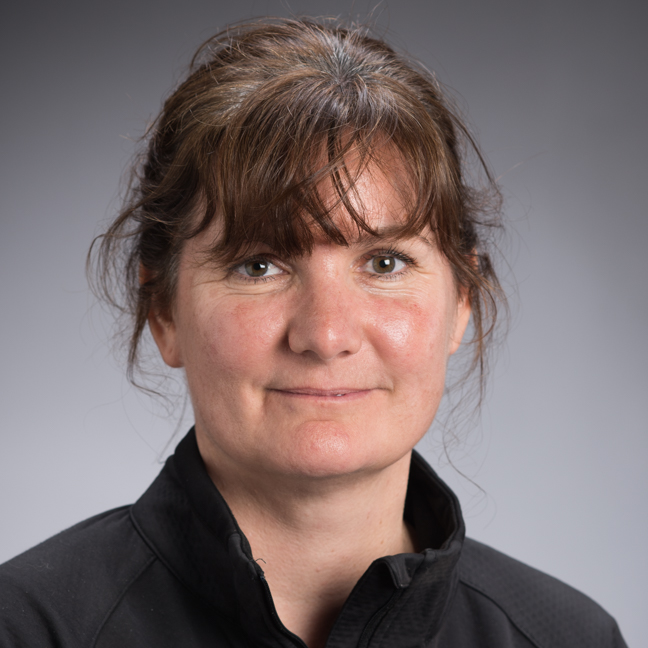
Bob Dykes Chair Manager
Peter Ritchie

Deputy Head of School
Jeffrey Shima
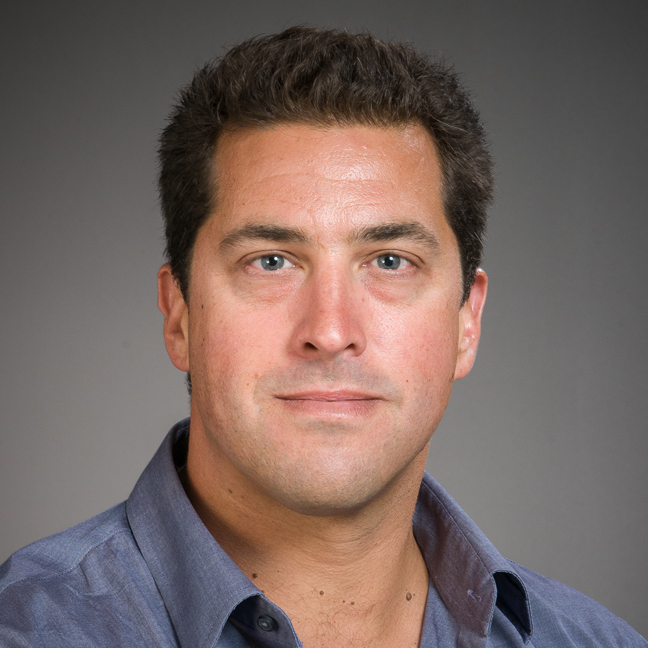
Associate Dean, Postgraduate Research
Joe Zuccarello
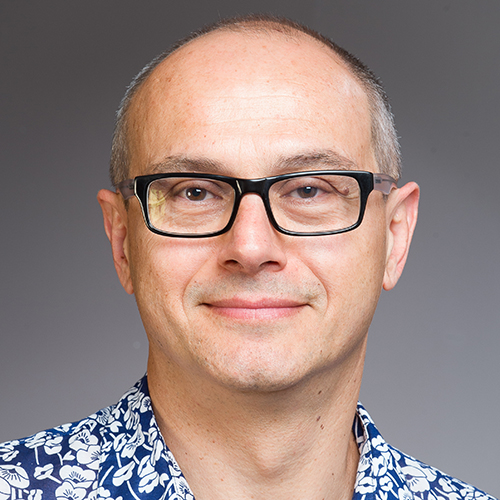
Professor of Biology
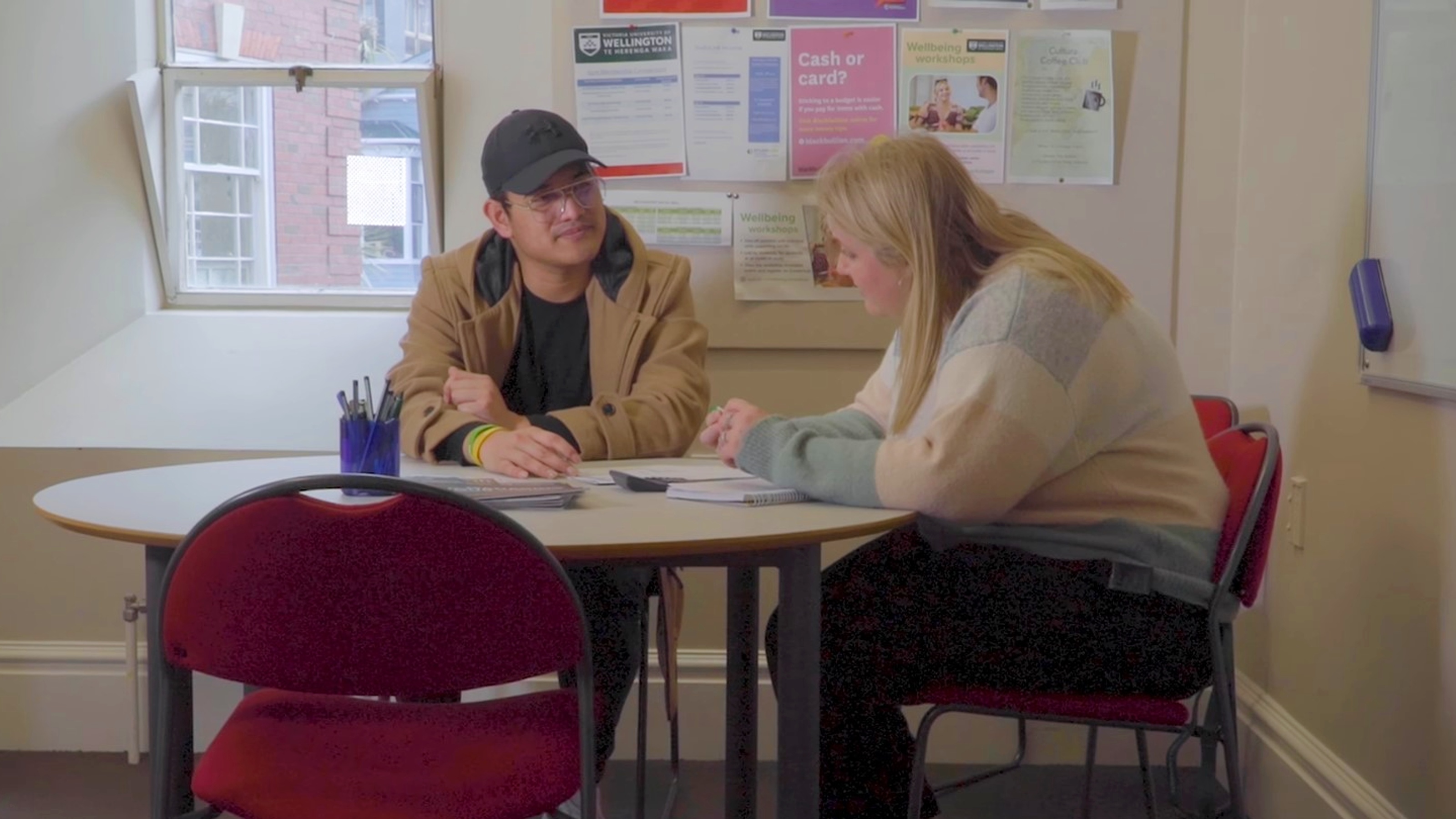
Get help to manage your finances
We can help you:
- budget your money
- manage your student loan or allowance
- work out your accommodation payment schedule.
If you’re facing financial difficulties, we can help you apply for the Hardship Fund.
You may be eligible for government or community support, too.
Apply for a New Zealand study visa
You’ll need to apply for a study visa if you plan to study with us as an international student.
You should apply for your visa after you’ve received your Offer of Place, and before you come to New Zealand.