
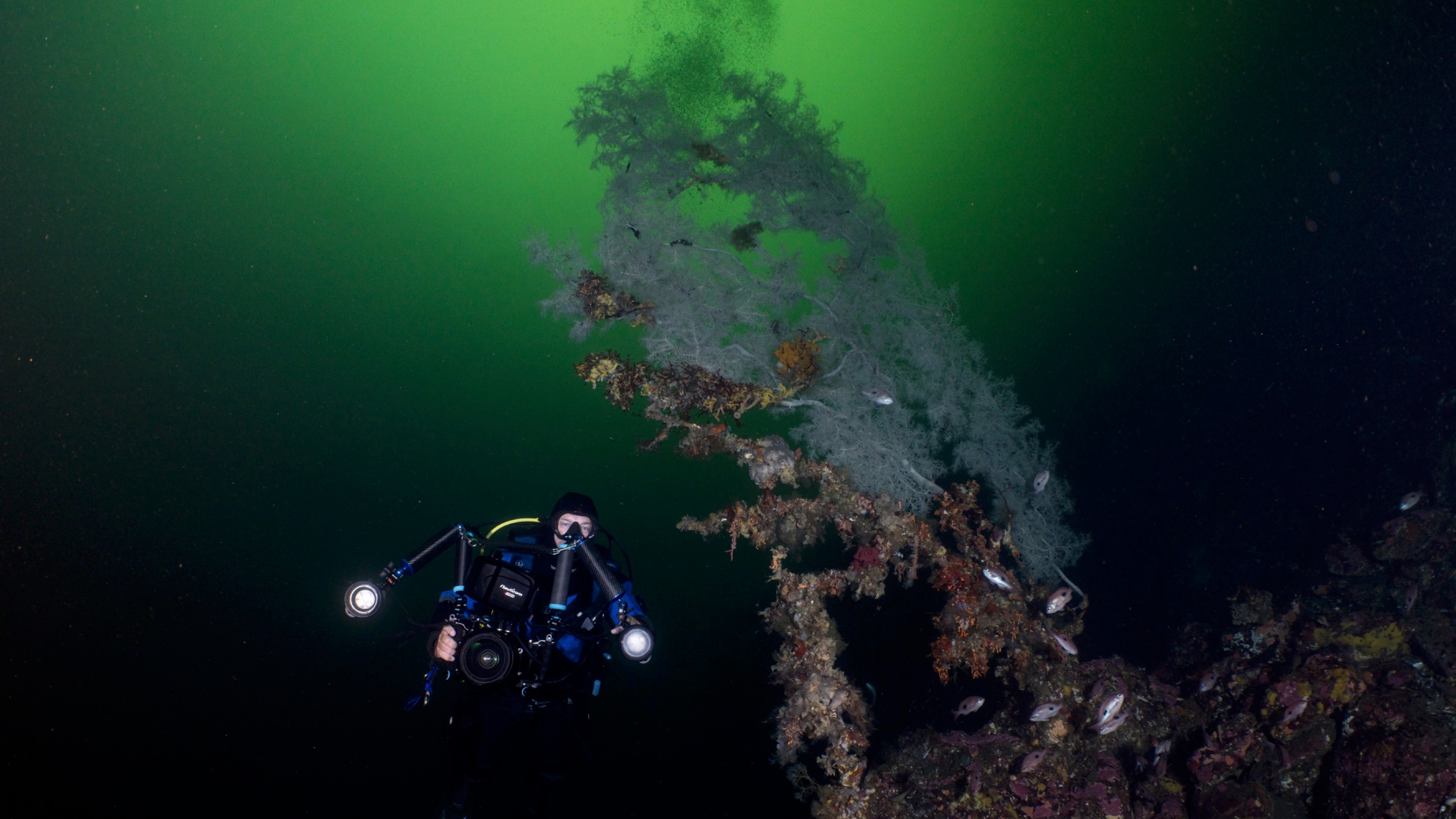
Explore the wide world under the sea
Explore New Zealand’s waters—home to one of the most unspoiled marine ecosystems in the world. Learn about marine organisms and how they interact with their environment.
When you study Marine Biology at Te Herenga Waka—Victoria University of Wellington, you’ll investigate the huge diversity of marine life—from the Tropics, to Antarctica, to the cool temperate systems around Aotearoa New Zealand.
You’ll also learn about how humans interact with marine ecosystems. Understand the impact human activity has on the ocean, and the ways we can prevent and mitigate harm to marine life.
What you’ll learn
You’ll learn about:
- the biodiversity of marine plants and animals
- the effects of humans on ocean life
- marine conservation efforts and ways we can use the ocean sustainably
- the ecology and physiology of marine organisms
Get hands on experience in the lab—and the ocean
Study at a globally leading centre for marine biology research and take advantage of the many kilometres of easily accessible coastline around Wellington.
You’ll visit our state-of-the-art dedicated marine biology laboratory in Island Bay, the Victoria University Coastal Ecology Lab (VUCEL).
You’ll also have the opportunity to explore Taputeranga marine reserve, right on the doorstep of VUCEL.
The University also has marine biology links with other New Zealand and international universities, and ties with public sector organisations including:
- Department of Conservation
- Earth Science New Zealand
- Ministry of Primary Industries.
Choose your study path
You can study Marine Biology as a major or minor in the Bachelor of Science (BSc).
If you wish to combine Marine Biology with another subject, you can add another study area as a double major—for example, you could take a second a major in Ecology and Biodiversity or Earth Sciences.
Alternatively, you could also do a conjoint degree, combining your Bachelor of Science with another undergraduate degree, such as a Bachelor of Environment and Society.
The flexible structure of the BSc means that you can follow your other interests with a variety of elective subjects in addition to your major subject. If you wish to focus on another area from outside the Bachelor of Science, you may also be able to study another subject as your second major without doing a conjoint degree.
The BSc page explains your options and how you can structure your study. Our flexible study page defines double majors and conjoint degrees and offers a list of subjects you can combine when you study.
Degree support and advice
We can help you match your interests and career goals with the right course of study.
If you’re a new student, talk to a Future Student Adviser.
If you’re already studying with us, talk to Tītoko—Student Success.

Study options
Find out how you can study Marine Biology at Te Herenga Waka—Victoria University of Wellington.
Future careers
If you want to pursue a career in scientific research, you will need a postgraduate qualification. However, there are many other roles where an undergraduate degree in Marine Biology will be helpful.
You might work in areas such as:
- fisheries
- ecotourism
- marine conservation
- policy analysis
- private consultancies.
Find out about your career opportunities in more detail.
More career information
Find out more about careers in Marine Biology.
The government careers website, Tahatū, offers more information about jobs, salaries, and current opportunities.
Scholarships
You may be able to get a scholarship to help fund your studies.
We have first-year and school-leaver scholarships available, as well as specialised scholarships for different groups and subject areas. If nothing fits right now, something may suit you later.
We encourage you to apply. It's a straightforward process, and it could make a real difference.
Scholarships for Marine Biology
-
Applicants must be of Pacific descent, be enrolled, or intending to enrol, in undergraduate or postgraduate studies, majoring in one or more of the following areas: Climate Change Science and Policy, Conservation Biology, Ecological Restoration, Ecology and Biodiversity, Environmental Science, Environmental Studies, Marine Biology, or Marine Conservation, and have a minimum GPA of GPA of 6.5. Applicants may be studying...
-
The fund, which was established at the time of the renovation of the C3 lecture theatre, is to assist a second-year student from any faculty in their studies at Te Herenga Waka—Victoria University of Wellington
-
Applicants must be female, New Zealand or Canadian citizens studying full time at 300 level BSc (Hons) and Master's by Coursework in any area of Science, including Architecture and Design at Te Herenga Waka—Victoria University of Wellington.
Scholarships for international students
We are currently offering a NZ$15,000 VUW Undergraduate International Scholarship to all eligible international students enrolling in a Bachelor’s degree.
Your scholarship will be processed automatically when your programme application is accepted, and the amount will be deducted from your tuition fees.
Other scholarships
We also offer specialised scholarships for different groups and subject areas. If nothing fits right now, something may suit you later.
We encourage you to apply. It's a straightforward process, and it could make a real difference.
Scholarships for Marine Biology
-
Applicants must be of Pacific descent, be enrolled, or intending to enrol, in undergraduate or postgraduate studies, majoring in one or more of the following areas: Climate Change Science and Policy, Conservation Biology, Ecological Restoration, Ecology and Biodiversity, Environmental Science, Environmental Studies, Marine Biology, or Marine Conservation, and have a minimum GPA of GPA of 6.5. Applicants may be studying...
-
Applicants must be female, New Zealand or Canadian citizens studying full time at 300 level BSc (Hons) and Master's by Coursework in any area of Science, including Architecture and Design at Te Herenga Waka—Victoria University of Wellington.
-
Applicants must be enrolled or intending to enrol in a Master's of PhD programme in the Faculty of Science and Engineering, undertaking research in any aspect of biodiversity and restoration ecology, including the use of novel technologies. Preference will be given to applicants from the School of Biological Sciences and the School of Geography, Environment and Earth Sciences.
Postgraduate study
Once you’ve completed your BSc, you can choose to expand your knowledge with a postgraduate qualification to develop your skills further.
If you get good results in your undergraduate study, you could go on to an Honours degree. This is one year of advanced study that lets you research your area of scientific interest.
You could also study a Master’s or PhD if you want to do independent research.
If you choose to continue to postgraduate study with us after finishing your degree, you’ll join a talented team of internationally recognised researchers doing innovative work.

Get help to manage your finances
We can help you:
- budget your money
- manage your student loan or allowance
- work out your accommodation payment schedule.
If you're facing financial difficulties, we can help you apply for the Hardship Fund.
You may be eligible for government or community support, too.


Wellington Global Exchange
If you're a current student at Victoria University of Wellington, you can complete part of your degree overseas. Choose from our 140 partner universities worldwide.
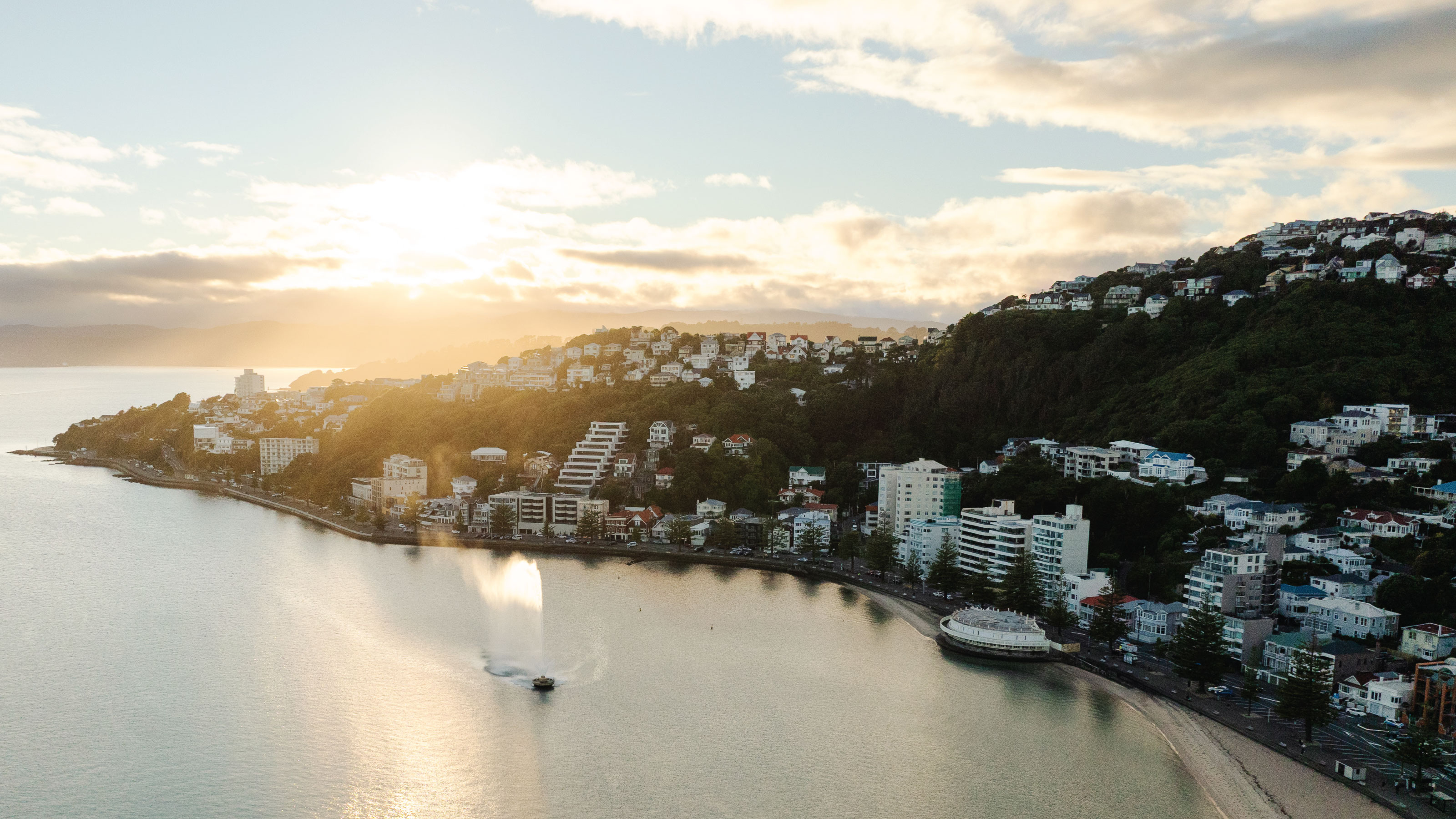
Study Abroad and Exchange Programme
If you're an overseas student, you can spend a trimester or a year at Victoria University of Wellington. You'll earn credits at your home university while you study here.