

Dive deeper into design
Complete a short qualification in design. Study a new area, add depth to your previous study, prepare for a Master’s, or learn the latest in the industry to develop your career.
Tailor your study to your interests and goals with undergraduate courses at 200 and 300 level from the Bachelor of Design Innovation (BDI).
You can apply for the GDipDI at any time and start in any trimester.
Who can study for this qualification
The GDipDI is great if you:
- have an undergraduate degree in Design or a related field and want to broaden your skills by studying a new area
- have finished your Bachelor of Design Innovation (BDI), or a related degree, and want to meet the entry requirements for a design Master’s
- aren’t ready to study a Master’s but want to study incrementally towards one
- have design-industry experience and want a short qualification to upskill or change career
- want to update your design skills by exploring new tools and technologies, and engaging in critical design discourse.
What you’ll learn
You can do a choose to specialise in one of the following areas or do an interdisciplinary diploma.
Animation and Visual Effects
Bring stories to life on screen through animation, VFX, and virtual reality by blending creativity with technology.
Communication Design
Bring a fresh design perspective to surfaces, screens, and physical and virtual spaces, exploring topics like graphic design, typography, branding, illustration, and visual narrative.
Design for Social Innovation
Define the pressing issues for people and the planet today—and design products, systems, or services to solve them.
Fashion Design Technology
Learn skills in emerging technologies to create fashion designs that solve challenges and improve lives.
Game Design
Develop the design-thinking and professional studio skills you need to create compelling games and work in creative industries.
Industrial Design
Design and develop the physical objects or products that shape the world and our interactions.
Interaction Design
Create digital systems and interfaces that improve aspects of human life.
Media Design
Explore the possibilities of emerging technologies before they enter the mainstream and consider how we can harness them.
How you’ll study
You can choose to complete this qualification part time over 1.5 to 2 years to allow flexibility with other work or personal commitments.
Related study areas
A related field is either a design degree or an area of study outside design that gives you skills that apply to the area you want to specialise in. For example:
- a degree in computer science is relevant to game design, while a degree in fine arts also teaches creative skills that you can shift into design
- a portfolio can work as proof of professional experience in design, if your earlier study was not related.
Contact us if you’re not sure if you meet the entry requirements.
Qualification support and advice
We can help you match your interests and career goals with the right course of study.
If you’re a new student, talk to a Future Student Adviser through our enquiry form.
If you’re already studying with us, talk to Tītoko—Student Success.
For the research portion of your study, you’ll need a supervisor to help guide your research. Your programme coordinator will work with you to find the right person.

Entry requirements
Entry requirements for domestic students
- Requirements for students who completed secondary school in:
If you live in New Zealand and are a citizen or permanent resident of New Zealand or Australia, you're considered a domestic student.
Some citizens of the Cook Islands, Niue, and Tokelau may automatically hold New Zealand citizenship.
Diplomatic residents living in New Zealand are also regarded as domestic students.
To be accepted into this qualification, you need:
1. (a) Before enrolment, a candidate for the GDipDI shall have:
(i) completed a Bachelor’s degree in a related discipline; and
(ii) been accepted by the Head of the School of Design Innovation as capable of proceeding with the proposed course of study.
(b) Requirement (a)(i) may be waived by the head of school for a candidate who has completed any other Bachelor’s degree and has sufficient training and ability to proceed with the proposed course of study.
Entry requirements
Your acceptance into this programme is based on your previous qualifications and experience.
Qualification requirements
Excerpt from the regulations for the GDipDI
2. (a) The personal course of study for the GDipDI shall consist of a coherent programme approved by the Associate Dean (Students) of the Wellington Faculty of Architecture and Design Innovation on the recommendation of the head of school. It shall include at least 120 points from courses offered for the BDI Schedule numbered 200–499, of which at least 75 points shall be at 300 level or above.
(b) At the discretion of the associate dean, up to 30 points may be selected from other programmes offered by this university. Within the Design for Social Innovation specialisation, up to 30 additional points may be included from other programmes where these courses form a cohesive unit of study within one of the areas available as a minor within the BDI.
3. A candidate shall normally be enrolled for at least two trimesters and shall complete the requirements of the diploma within four years of first enrolling in it. The associate dean may extend the maximum period in special cases.
Specialisations in the GDipDI
Majors are the subjects you focus your degree on.
Specialisations and requirements
Explore your major options below.
GDipDI subjects
Animation and Visual Effects
Communication Design
Design for Social Innovation
Fashion Design Technology
Industrial Design
Interaction Design
Media Design
No matching majors found.
Why Wellington
Wellington is Aotearoa New Zealand’s cultural and creative hub of fashion, design, literature, art, and theatre. It’s home to large design events like such as WOW and our incredible national museum, Te Papa.
Wellington is also a world leader in digital innovation and creative technology, with a thriving game community and industry.
The School of Design Innovation has close links to ‘Wellywood’s’ world-leading film and visual effects industry, including Weta Digital, Weta Workshop, Stone Street Studios, and Park Road Post Production. We even have a satellite campus in the heart of the film precinct—the Miramar Creative Centre.
You’ll also be studying close to government departments—where you might work to influence change.
Future careers
Design Innovation graduates have the practical design skills, creativity, knowledge, and research skills to excel in a range of design roles. Many design skills are transferable across different industries and roles.
More career information
Find out more about careers in design.
The government careers website, Tahatū, offers more information about jobs, salaries, and current opportunities.
Scholarships
You may be able to get a scholarship to help fund your studies.
We have postgraduate and doctoral scholarships available, as well as specialised scholarships for different groups and subject areas. If nothing fits right now, something may suit you later.
We encourage you to apply. It’s a straightforward process, and it could make a real difference.
Scholarships for Design
-
This scholarship will support a student studying an undergraduate degree in Architecture, Design Innovation, Computer Science, Artificial Intelligence, Data Science, Design Technology, Electric & Computer System Engineering, Software Engineering or Cybersecurity Engineering. The scholarship may also be awarded in conjunction with a Trimble Internship.
-
This scholarship is for students undertaking or intending to undertake an Honours or Masters degree at Te Herenga Waka—Victoria University of Wellington in areas related to Peace Building or Peace Studies, Trust Building, Conflict Resolution, addressing Historical Injustice, Restorative Justice, Social Cohesion, Community building and promoting cross-cultural understanding, Change Making or Ethical Leadership.
-
The fund, which was established at the time of the renovation of the C3 lecture theatre, is to assist a second-year student from any faculty in their studies at Te Herenga Waka—Victoria University of Wellington
Scholarships for international students
We’re currently offering a NZ$10,000 VUW Postgraduate International Scholarship to all eligible international students enrolling in a Master’s degree or Postgraduate Diploma programme.
Your scholarship will be processed automatically when your programme application is accepted, and the amount will be deducted from your tuition fees.
Other scholarships
We also have postgraduate and doctoral scholarships available, as well as specialised scholarships for different groups and subject areas. If nothing fits right now, something may suit you later.
We encourage you to apply. It’s a straightforward process, and it could make a real difference.
Scholarships for Design
-
This scholarship is to assist students in the last year of their first Bachelors degree at Victoria University of Wellington. The scholarship fund will be awarded equally between male and female students.
-
Applicants must be female, New Zealand or Canadian citizens studying full time at 300 level BSc (Hons) and Master's by Coursework in any area of Science, including Architecture and Design at Te Herenga Waka—Victoria University of Wellington.
Join our postgraduate community
The Postgraduate Students’ Association provides a voice for you on campus and information on studying at Te Herenga Waka—Victoria University of Wellington.
Postgraduate Students’ Association
MAI ki Pōneke
MAI ki Pōneke are part of an international network of Māori and Indigenous postgraduate students. They provide advice, support, and information to Indigenous postgraduate students of all levels, as well as those thinking about enrolling.
Industry connections
The School of Design Innovation has industry connections and partnerships with a range of national and local organisations. There are a range of industry awards available for student excellence.
Further research or study
The GDipDI prepares you for further study at Master’s or PhD level. You may be able to study the Master of Design Technology or the research-focus Master of Design Innovation.

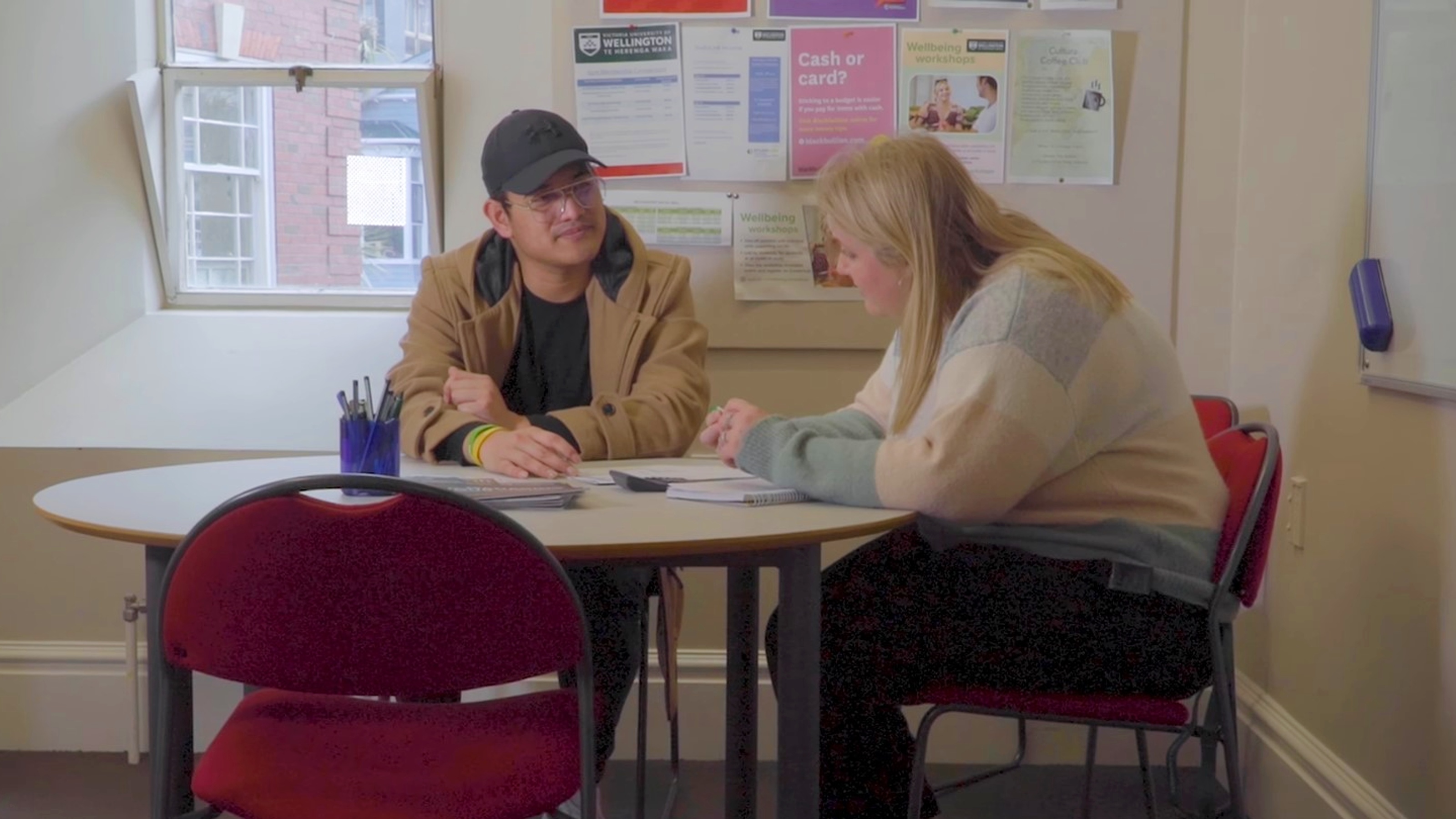
Get help to manage your finances
We can help you:
- budget your money
- manage your student loan or allowance
- work out your accommodation payment schedule.
If you’re facing financial difficulties, we can help you apply for the Hardship Fund.
You may be eligible for government or community support, too.
Apply for a New Zealand study visa
You’ll need to apply for a study visa if you plan to study with us as an international student.
You should apply for your visa after you’ve received your Offer of Place, and before you come to New Zealand.